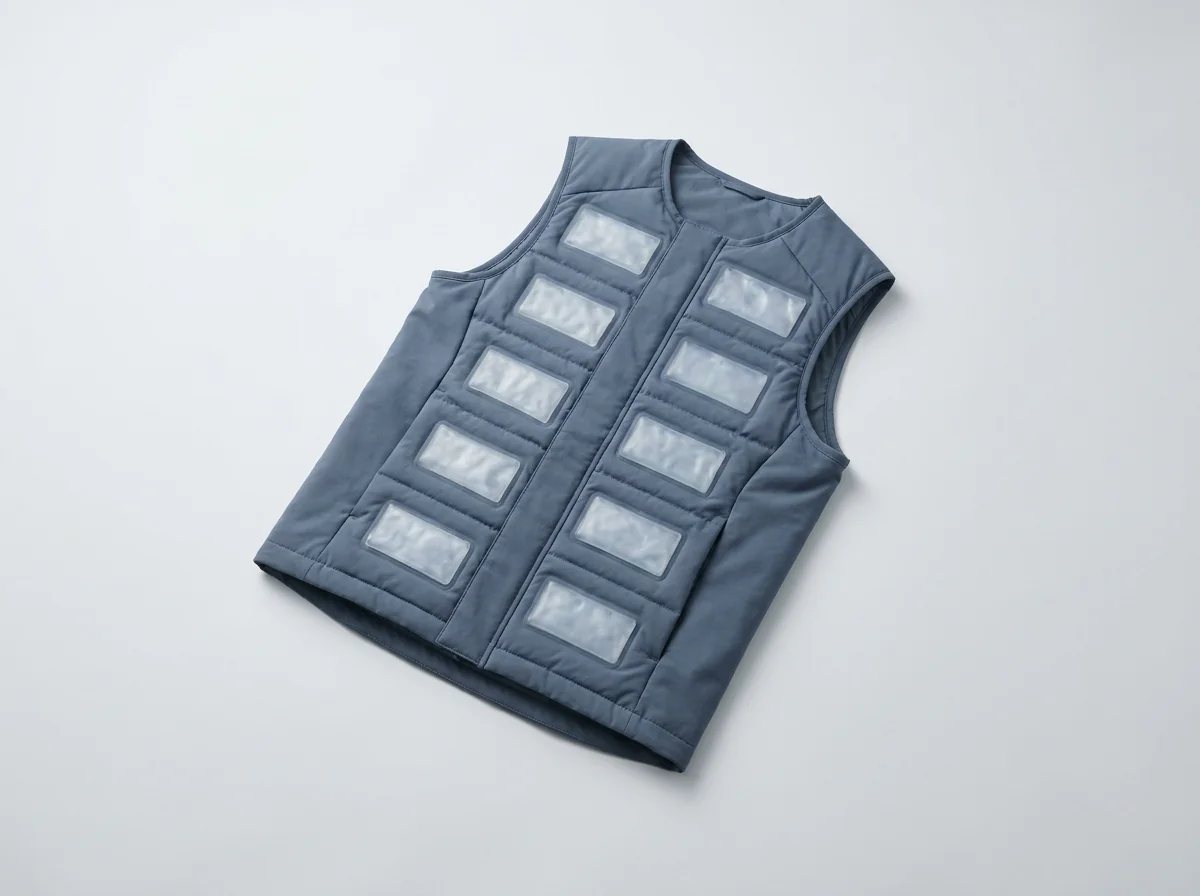
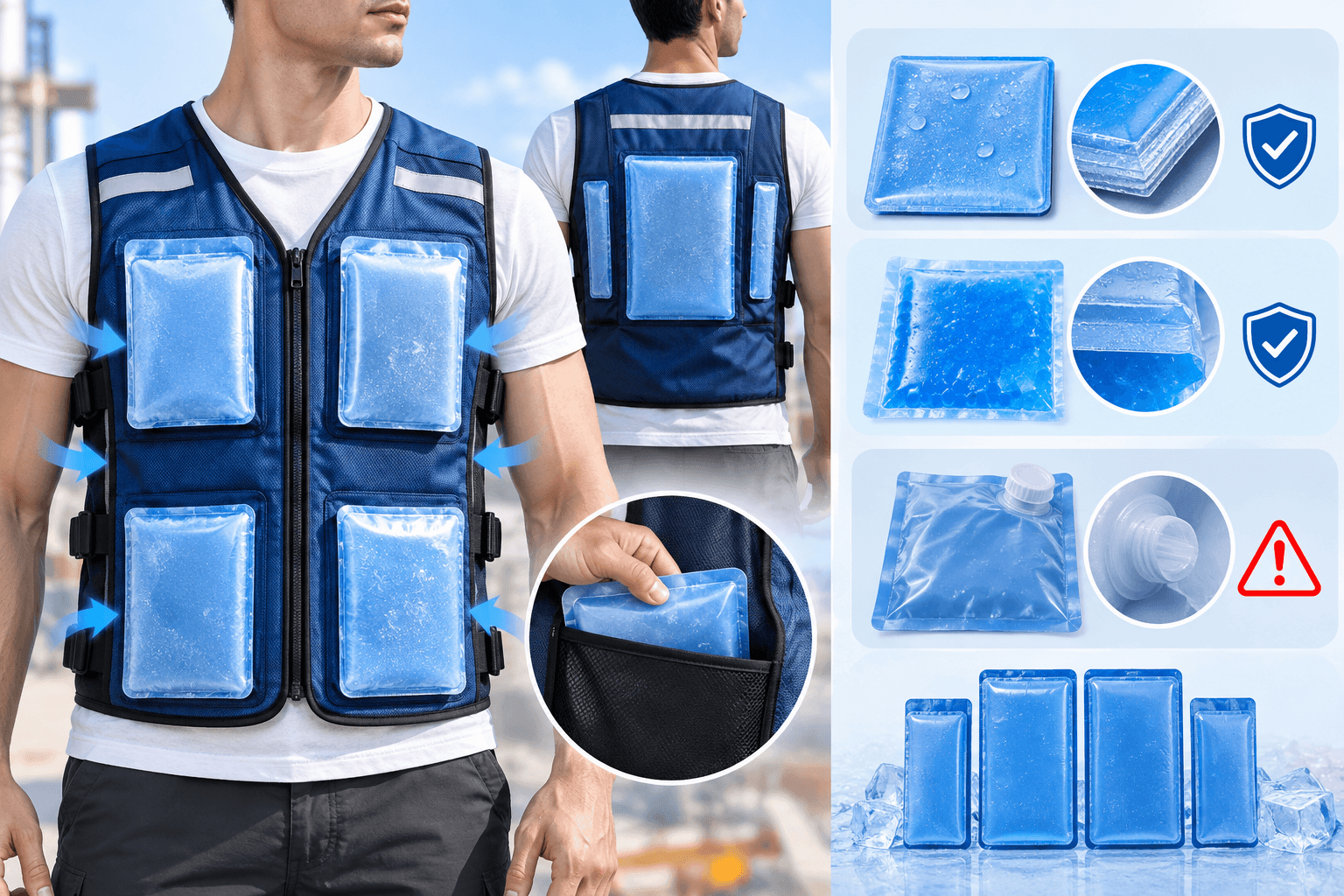
It hits without warning—that sudden wave of heat crawling up your neck, the sweat that soaks through your shirt in the middle of a meeting, or the 3 a.m. wake-up call that leaves your sheets damp and your sleep shattered. If you're nodding along, you already know that hot flashes don't wait for a convenient time, and sometimes hormone therapy just isn't the answer you're looking for. Cooling products give you real, physical relief you can reach for the moment your body starts to overheat. From a cooling towel for hot flashes you can toss in your bag to a cooling mattress pad that keeps night sweats from wrecking your sleep, there's a whole world of practical tools designed for this. Let's break down what works, when to use it, and how to build your own personal cooling toolkit.
Portable Fans: An Instant Cooling Solution for Sudden Hot Flashes
A personal fan cools you down fast by moving air across your skin and speeding up evaporation. That's why it's become the go-to grab-and-go tool for the moments hot flashes strike hardest: at your desk, on your commute, or right beside your bed at 3 a.m.
Where you use it changes what you need:
Office desk: A small desktop fan pointed at your face and chest is the classic fix for sudden flushing and sweating during meetings.
Commute or out and about: Foldable, pocket-sized, or handheld fans win here. One reviewer called theirs a "miniature air conditioner in your pocket," with three speeds, a small kickstand, and battery life that "lasts a long time."
Bedside at night: Quiet, adjustable-angle fans running on low all night are best for managing night sweats without waking you (or your partner).
Neck fans free up your hands and blow directly onto the neck and jaw, right where flashes tend to hit hardest. Look for at least 4000mAh batteries, which typically deliver 8+ hours on low. A TORRAS neck fan on Best Buy holds a 4.6/5 rating, with one reviewer writing it's "exactly wat i need for my hot flashes."
For intense flashes, hybrid options like the Shark ChillPill combine fan, mist, and cooling plates, claiming to drop skin temperature by 16°F in seconds.
One caveat from users is that these fans work brilliantly for hot flash relief but can't fully compete with actual heat. One reviewer found theirs less effective outdoors at 93°F.
Cooling Mist/Spray: A Quick Fix for On-the-Go Moments
A fine mist landing on overheated skin feels almost magical. The water evaporates, pulling heat away in seconds. Add menthol, peppermint, or a touch of alcohol, and that cooling sensation intensifies (though it can also tingle or dry out sensitive skin).
Peter Thomas Roth's Water Drench Ice-Facial Cooling Mist is the benchmark here. It promises to immediately decrease skin temperature, blending hyaluronic acid, caffeine, peppermint, and their IceAwake™ technology to cool, hydrate, and de-puff all at once.
Use it in office bathrooms, pre-meeting touch-ups, mall restrooms, or from your car's cup holder. You can spritz it under or over makeup without a full skincare routine.
For discreet application, tilt your head down, aim along your hairline and jaw, and lightly spritz your neck and behind ears. That leaves fewer visible water marks and more relief.
Most bottles run 30–50mL and deliver 150–250 sprays, roughly 40–100 uses at outdoor-flash-crisis rates. That's pennies per rescue. Buyers care about instant chill, zero makeup disruption, and a scent that won't overwhelm a quiet office.
Cooling Neck Wrap: Targeted, Fast Relief for Neck and Chest Hot Flashes
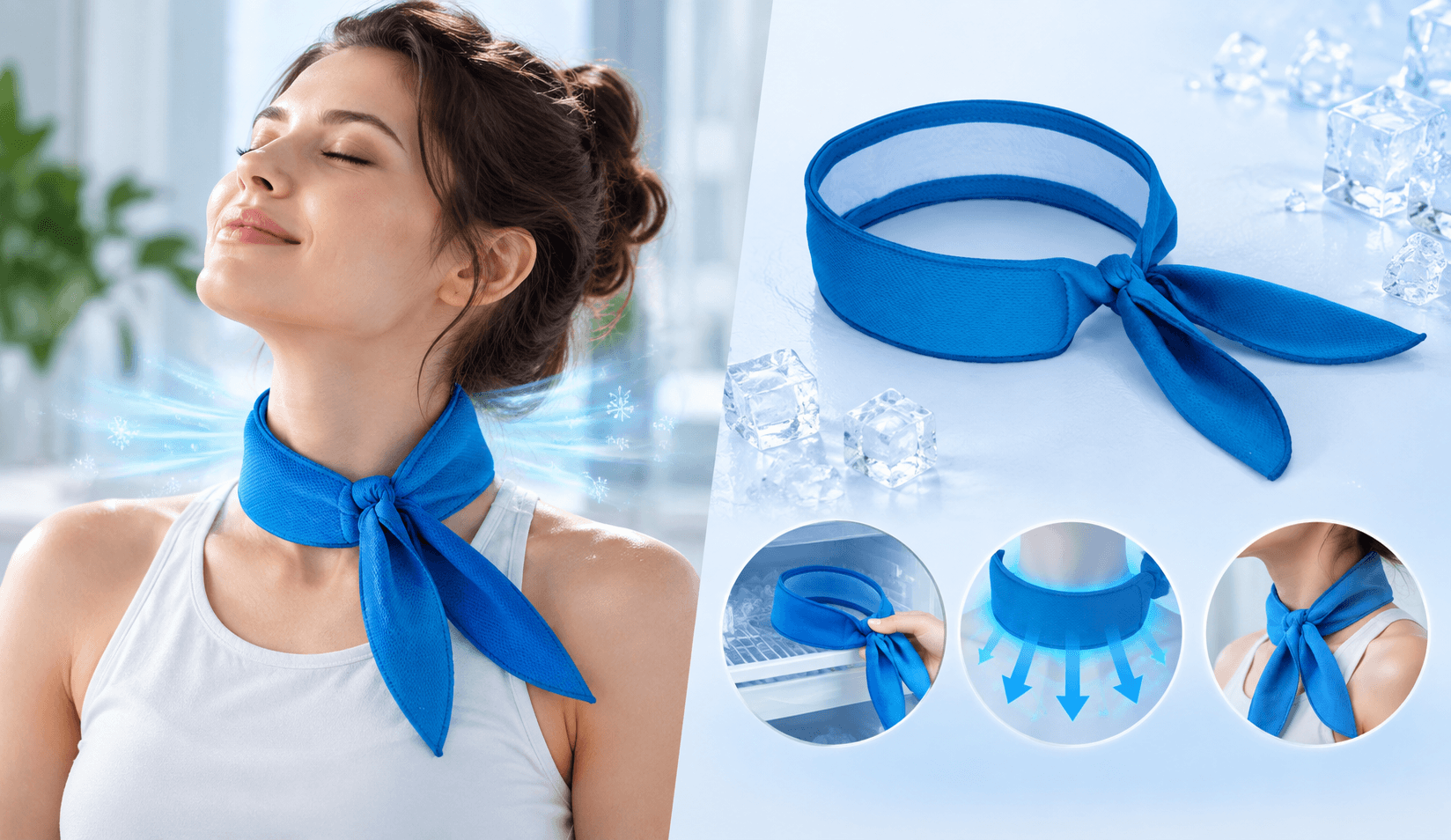
Your neck and chest are ground zero for a hot flash. That's exactly why a cooling neck wrap earns its spot in your toolkit. It targets the heat right where it starts.
The science is simple. These wraps use gel or PCM (phase change material). Once chilled, the material absorbs your body heat through a slow phase-change process, not just surface contact. Two main types exist, and they behave very differently:
Standard gel wraps: Intense, icy relief right out of the freezer, but it fades fast. Think 15–30 minutes for thin layers, up to 45–90 minutes for thicker, freezable neck rings. Some brands claim up to 3 hours.
PCM wraps: Steadier, gentler cooling that holds a consistent temperature for 2–3.5 hours, though it never feels as "icy" as gel.
How to Choose Based on When You'll Use It
Daytime flashes: Grab a standard gel wrap for that fast 30-minute hit.
Nighttime sweats: PCM or SkinSafe-style wraps won't overcool you mid-sleep.
Heavy chest/neck flashes: Choose wide, collarbone-covering designs, and aim for 60+ minutes of runtime as your baseline.
Cooling Pads/Patches (Cooling Gel Patches): The Discreet Daily Comfort Solution
Nobody wants their coping mechanism to show under a blouse. That's the real appeal of cooling gel patches—they slip under clothing at the neck, chest, forehead, or underarms without anyone noticing.
How they work: Phase-change patches absorb heat through a slow melting process, not surface chill. One flexible composite version weighs 38g, holds a hardness under 25 HA, and maintains its cooling plateau for about 47.5 minutes (2848 seconds), storing 147.8 J/g of latent heat. Pre-cooling time is 50% faster than a standard fridge chill.
Gel patches vs. phase-change patches: Gel versions cool through water evaporation, with an optimal water content of 60–80%—enough to feel cool without soaking your skin. Some blend in paraffin-based phase-change materials to stretch cooling time from 2 to 12 hours. A patented fever-patch design skips menthol and uses pure phase-change absorption instead, plus a color-changing indicator that fades once skin hits 35°C.
Versus ice packs: Patches stay thin and flexible. Ice packs cool harder but bulk up and show through clothes.

Cooling Bedding: The Core Solution for Night Sweats and Sleep Disruption
Night sweats have a way of turning your bed into the enemy. You fall asleep fine, then wake up at 2 a.m. with your sheets clinging to you like a second skin. Cooling bedding for hot flashes is the real overnight fix, not just a stopgap.
The gold standard is active cooling. Water-circulating mattress systems like ChiliPad market themselves directly around menopause relief, promising to "Stop Night Sweats" and "Combat Menopause Insomnia." They can drop water temperature to 55°F (12.8°C). An 8-week trial backs up the hype: vasomotor symptom frequency fell 52%, PSQI sleep scores improved from 11.14 to 7.87, and daily hot flash disruption dropped from 4.16 to 1.92. If you're waking up multiple times a night with wild temperature swings, this is your closest thing to a true solution.
Passive cooling bedding works differently. No water, no electricity, just breathable fabric doing the work. Bamboo fibers wick moisture and stay soft. Phase-change gel absorbs and buffers heat without feeling icy all night. Breathable cotton stays washable and stable, often layered over active systems to soften that cool-to-touch feel.
Match your bedding to how you sleep:
Side sleepers: A soft, breathable cooling pillow design beats memory foam, especially if your shoulders and neck sweat.
Back sleepers: Pair a mattress pad with a thin cooling sheet for full-back heat release.
Heavy night sweats, frequent tossing: Go active. Passive fabric alone won't hold back real temperature swings.
Mild to moderate sweaters: Start with a bamboo sheet, cooling pillowcase, and mattress protector combo—the best value entry point.
Maintenance matters too. Sheets and pillowcases are easiest—machine washable, quick-drying, ideal if you're changing bedding often. Mattress protectors need water resistance and removable covers. Active systems require water refills and occasional descaling, a fair trade-off if your symptoms are severe enough to demand it.
Cooling Pajamas/Clothing: A Round-the-Clock Temperature Regulation Solution
Fabric touches your skin for eight hours a night, so it matters what it's made of. Moisture-wicking pajamas, the kind menopause shoppers rely on, work through two distinct mechanisms. Knowing the difference changes what you buy.
Moisture-wicking fabrics pull sweat away from your skin and push it toward the outer layer, speeding up evaporation and cutting that clammy feeling. Temperature-regulating fabrics work differently. Satin-style weaves embedded with temperature-regulating capsules absorb heat when you warm up, then release it as you cool. That's a slower, buffering effect.
For heavy night sweats, wicking wins. Cool-jams pajamas claim to dry four times faster than cotton. Dagsmejan's NATTCOOL™ fabric uses gradual moisture evaporation to stay dry through the night, and Lusomé's engineered sweat-wicking fabric reportedly outperforms cotton, satin, and standard synthetics.
The top fibers for hot sleepers and menopausal night sweats are lyocell/Tencel, modal, bamboo viscose, lightweight cotton, silk, and linen.
Quick Fabric Test You Can Do at Home
Drop water on the fabric. If it spreads fast, it's wicking well. If it beads up, skip it.
Skip flannel, fleece, heavy polyester blends, and anything thick and coated. They trap heat instead of releasing it.
For all-day wear, pair a temperature-regulating outer layer with a wicking base layer. You get stable warmth outside and fast-drying comfort against your skin. Loose cuts, flat seams, and breathable weaves help too. Together they give you round-the-clock relief.
How to Choose Cooling Products by Symptom Type
Matching the product to the moment saves you money and disappointment. A cooling vest won't help much if your real problem is 2 a.m. sweat-soaked sheets, and a mattress pad won't save you mid-meeting.
Match by symptom:
Sudden daytime flashes – try a personal fan, cooling mist, or a cooling neck wrap. Each fits in a desk drawer or bag.
Night sweats, repeated waking – use a bed fan that pushes air under the covers, plus breathable bedding (bamboo, cotton, or linen) and a cooling pillow.
Sweating in public/commuting – portable fans, mist sprays, and moisture-wicking pajamas or daywear work well. Check the label for wicking, breathability, and temperature regulation.
Wanting something discreet – cooling gel patches or wearable cooling devices stay hidden under clothing and deliver up to 8 hours of localized relief.
Budget-friendly starter combo – a handheld fan, breathable bedding, and wicking pajamas. Good for mild-to-moderate symptoms or anyone testing the waters before spending more.
Upgraded combo for heavier symptoms – a bed fan, cooling pillow, and cooling bedding for hot flashes. This handles severe night sweats. For daytime, pair a portable fan, mist, and cooling neck wrap for repeat flashes. For low-visibility needs, patches and wearables work well in office and social settings.
Practical checks before buying – if you have sensitive skin, choose bedding and fans over direct-contact patches. Always verify real runtime: top speed drains batteries fast, and patches vary in how long the cool plateau lasts. Look for at least 30 days to test and return.
Cooling products manage the intensity and duration of flashes. They don't cure them. Set your expectations there, and every product on this list becomes more useful.
Core Decision Factors for Choosing Cooling Products
Fabric science backs up what your skin already knows. In lab tests at 33°C and 60% humidity, people wearing a polyester-elastane blend kept significantly lower rectal temperatures than those in cotton tees. They also retained less sweat the whole time. That's the real hierarchy hiding behind every "cooling" label.
Tier one goes to microfiber polyester, moisture-wicking blends, and 3D spacer weaves. These are fast-drying, low sweat-weight, and built for heat. Tier two is modal, bamboo viscose, and lighter rayons; modal blended with polyester actually beats plain cotton on breathability and wicking speed. Tier three is heavy cotton and dense low-airflow synthetics, which soak up sweat, then stay wet and clammy.
Ask suppliers for five numbers before buying: fabric weight (g/m²), air permeability, water vapor transmission rate (WVTR), wicking/uni-directional transport index, and post-wash performance retention. High-performance "skin-like" wicking textiles transport moisture up to 15x faster than standard breathable fabric. Some engineered fabrics drop skin temperature by 2–3.8°C in real-world testing.
Don't just compare sticker price. Calculate total cost of ownership: purchase price plus washing, wear-out replacement, and "unusable in a hot flash" costs. A cheap thick cotton item that dries slowly often costs more per use than a pricier quick-dry blend you can rely on for years.
Conclusion
Menopause hot flashes don't have to control your day or steal your sleep. A cooling towel for hot flashes tucked in your bag handles sudden flushes. A cooling mattress pad for night sweats turns your bedroom into a sanctuary. The trick is matching the product to the moment: quick-fix tools for daytime surprises, deeper cooling systems for the long haul of sleep.
You don't need to suffer through this season of change, and you don't need to guess your way through countless products that promise everything and deliver nothing. Start small with a cooling neck wrap or a fan, and build your personal toolkit from there. Click icebearcare.com to earn more.