Under One Roof
IceBear Care: A Full-Spectrum Thermal Products Factory
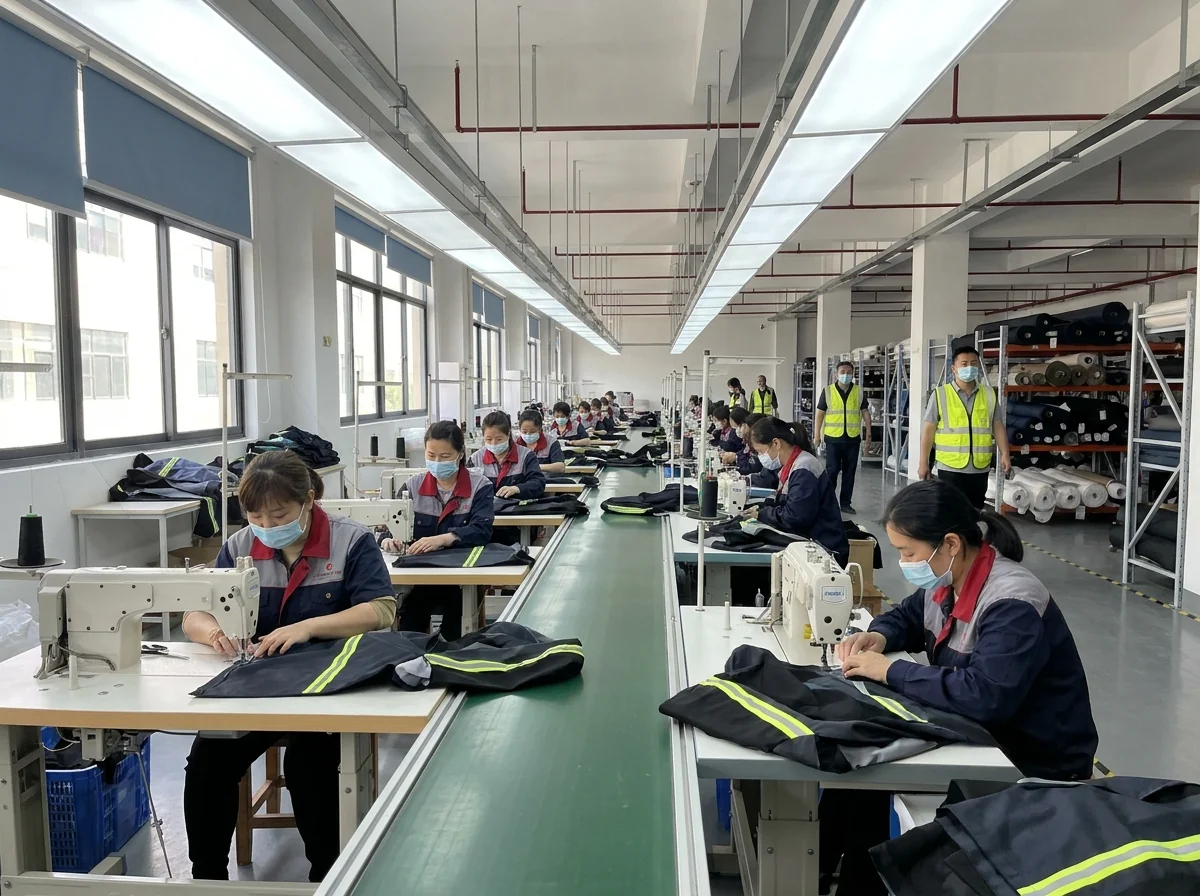
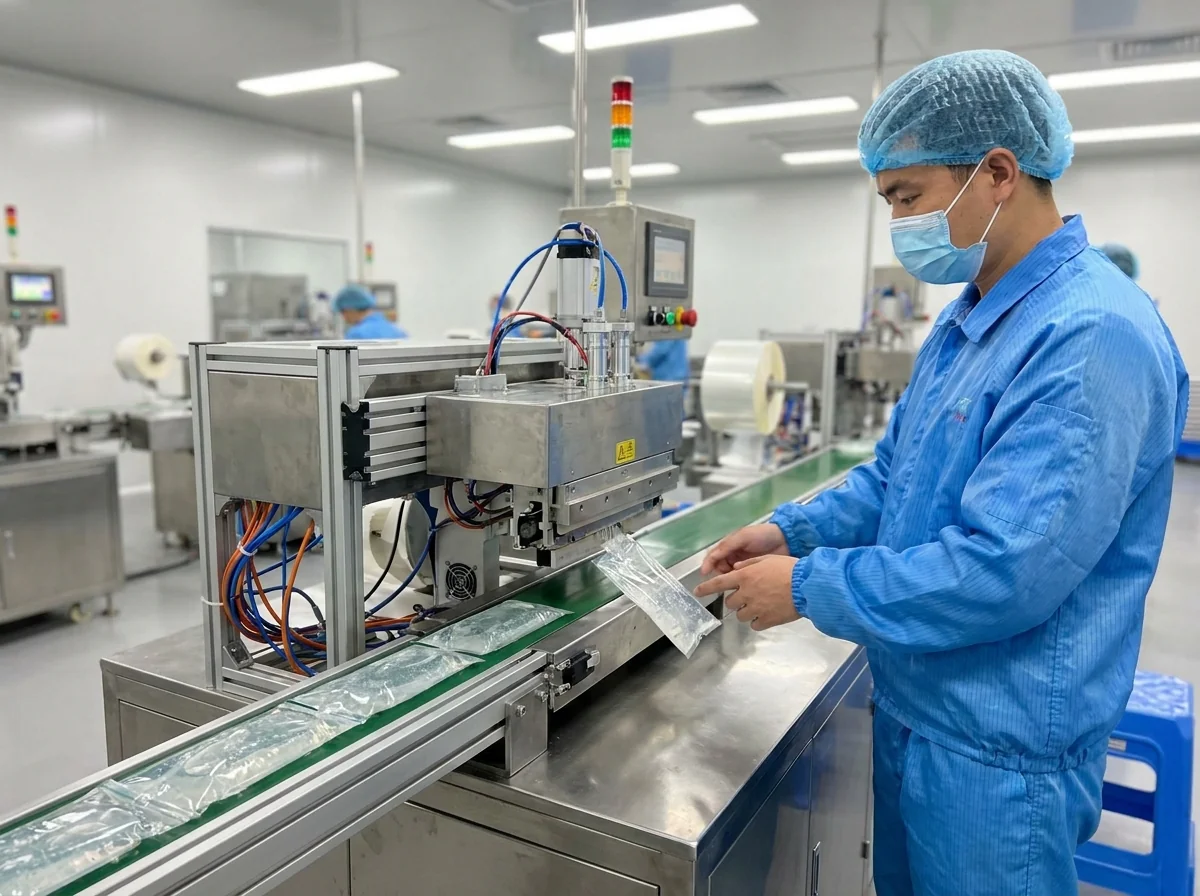
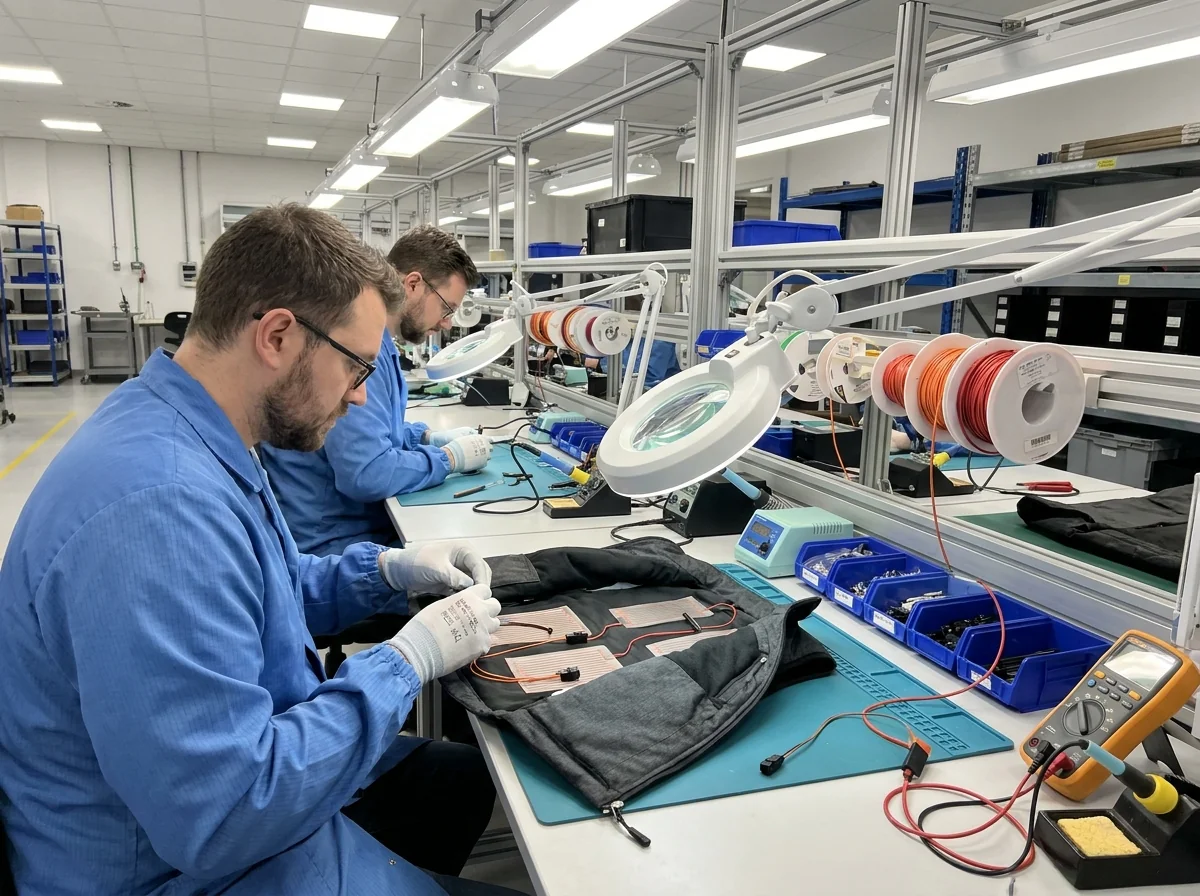
We make cooling and heating products for people and pets, with sewing, PCM filling, and electronic heating assembly all handled in-house at our Nanchang, Jiangxi factory.
Get in TouchCompany Overview
A Full-Spectrum Thermal Products Manufacturer
IceBear Care is an OEM/ODM factory that makes thermal regulation products for people and pets. Our product range covers two lines: cooling products and heating products. On the cooling side, we make vests, packs, towels, and accessories for people, and mats, beds, and vests for pets. On the heating side, we make electric heated garments and accessories for people, and heated pads and winter coats for pets.
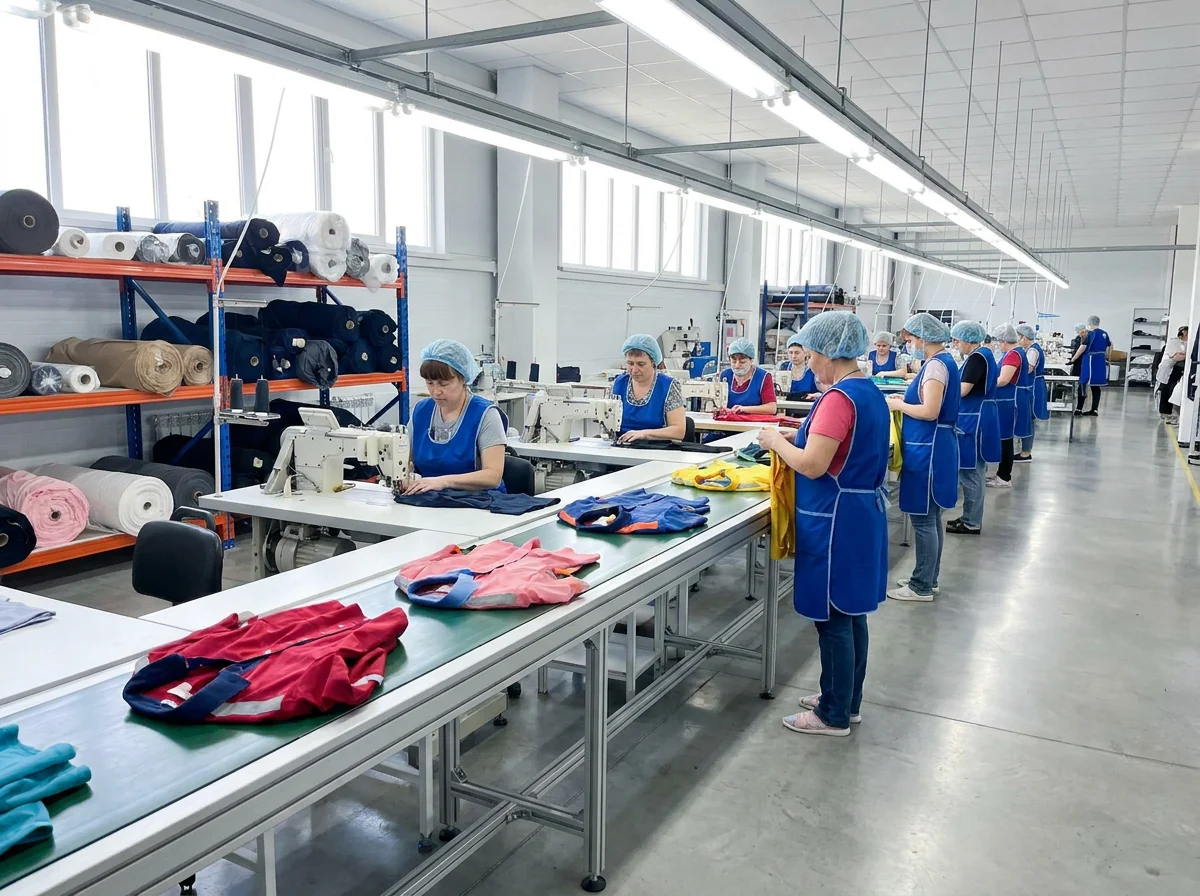
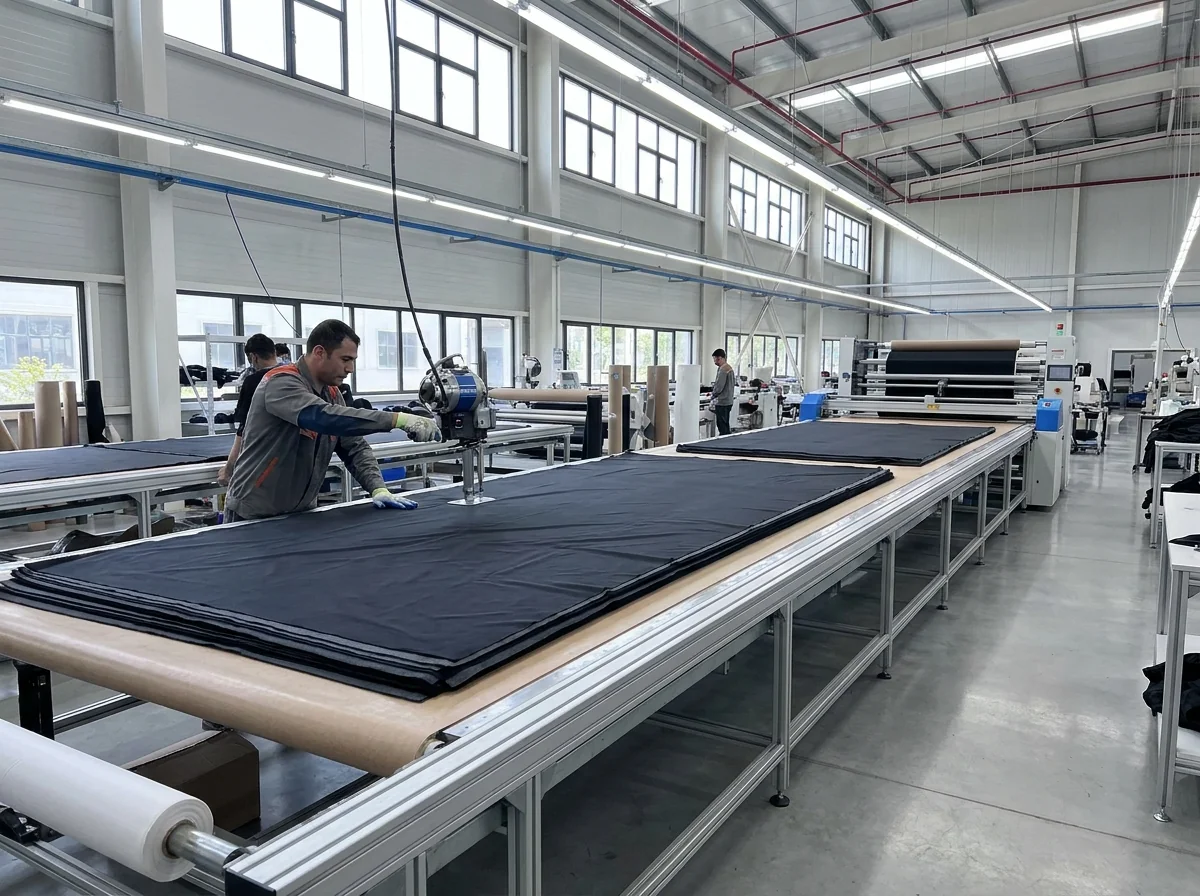
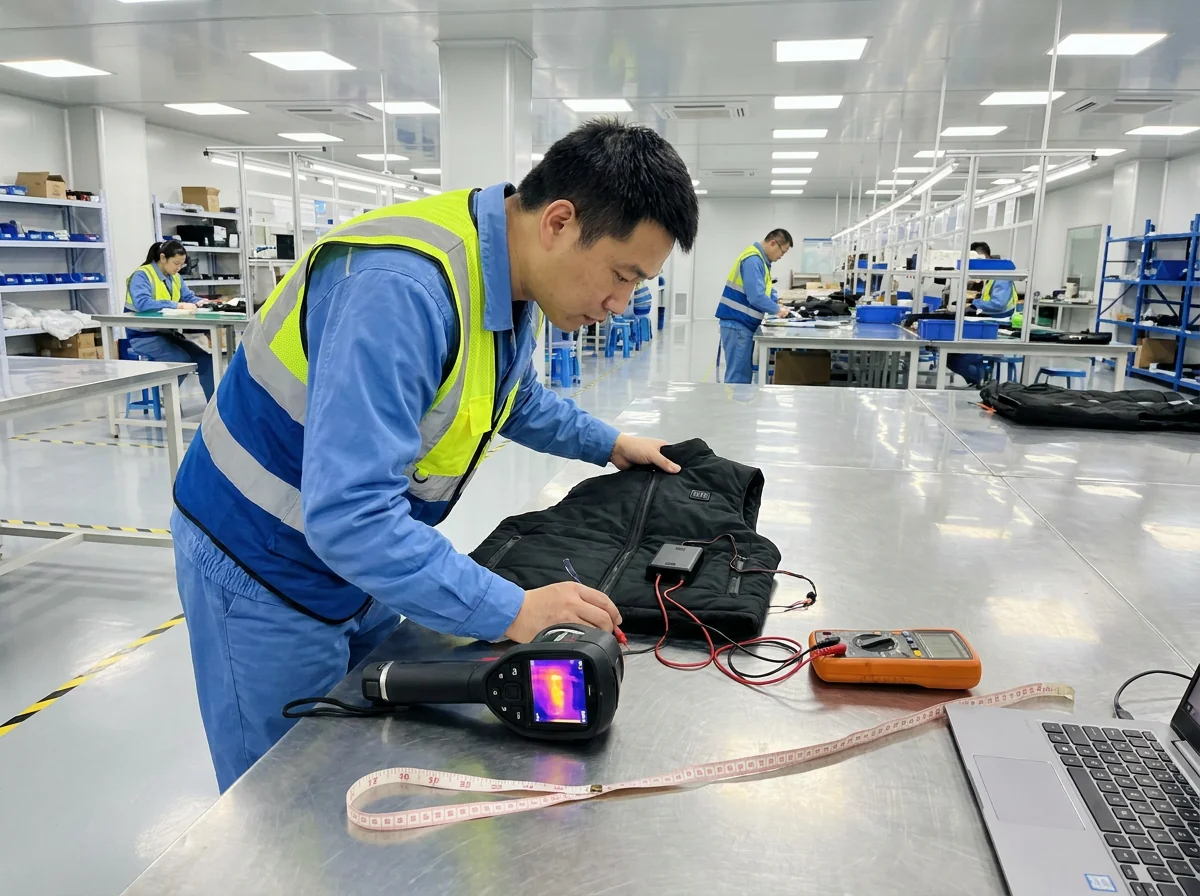
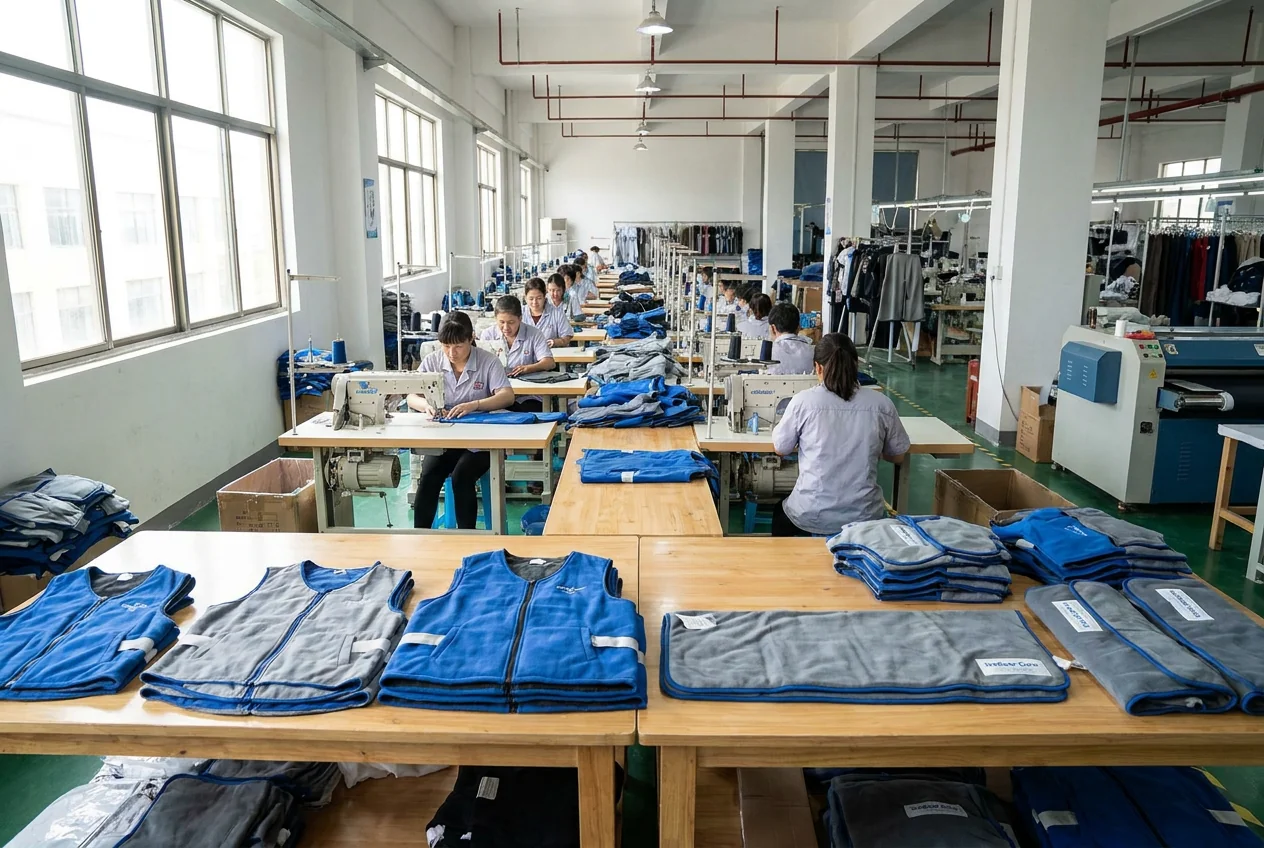
What sets our manufacturing model apart is that we handle three distinct production processes in one facility: fabric cutting and sewing, PCM (phase-change material) filling, and electronic heating element assembly. These three processes covering both product lines are managed under one roof in Nanchang, Jiangxi, without outsourcing the core manufacturing steps.
The sections below explain how this came about and what it means for buyers who source from us.
Manufacturing Model
In-House Manufacturing Across Three Processes
Most thermal products factories specialize in one type of process. A sewing workshop makes fabric-based goods. A filling operation handles phase-change materials. An electronics workshop assembles heating circuits. IceBear Care runs all three under the same roof.
The reason this works is that cooling and heating products share a common manufacturing base: fabric. A PCM cooling vest starts with cut-and-sewn panels before PCM filling. An electric heated jacket starts with the same cut-and-sewn shell before the heating elements go in. Because fabric cutting and sewing sit at the center of both product families, we built our PCM filling capacity and our electronic heating assembly capacity alongside that existing sewing infrastructure rather than as separate operations.
In practice, this means a buyer sourcing both a PCM cooling vest and an electric heated jacket from us is dealing with one production team, one QC process, and one shipment, instead of two separate factories coordinating on their behalf. It also means we can answer technical questions about construction, materials, and assembly directly, without going back to a third-party manufacturer.
Product Strategy
Why We Cover Both Cooling and Heating for People and Pets
The decision to cover both cooling and heating came from observing how buyers actually purchase.
A distributor selling outdoor workwear does not stop needing product in October when the cooling season ends. The same buyer who orders cooling vests in spring often needs heated jackets for the same end users in autumn. Splitting that across two suppliers creates two sets of negotiations, two quality standards to manage, and two logistics timelines to coordinate. Sourcing both from one factory simplifies that.
The same logic applies to the people-and-pet combination. The buyers who supply pet cooling mats and dog cooling vests are frequently the same companies that sell human cooling gear: outdoor retailers, pet-and-lifestyle brands, sporting goods importers. When they need to expand into pet products, they already have a supplier relationship with us. We extended our manufacturing into pet products because the fabric and filling processes we use for human products translate directly: a pet cooling mat uses the same gel and fabric construction as a human cold pack, and a pet heating pad uses the same resistive heating elements as a heated garment insert.
This is not two separate product businesses operating under one brand. The manufacturing processes overlap, the buyer base overlaps, and running both lines in one facility is more efficient than maintaining separate operations.


Working Together
How We Work with Buyers
Every buyer who contacts us is assigned to a single sales contact for the duration of our relationship. For most inquiries, that is Tina, our sales manager. This is not a routing system where your question gets passed between departments. The same person who answers your first product question is the one who follows up on your sample and confirms your production order.
Before we start any sample, we ask the buyer to confirm the specification in writing: product dimensions, materials, color references, any functional requirements (temperature range, battery type, print placement, and so on). We set out in advance what tolerance we work to for color matching and what the review process looks like if the sample does not meet the agreed spec. This step adds time at the beginning but removes the most common source of disagreement at the end.
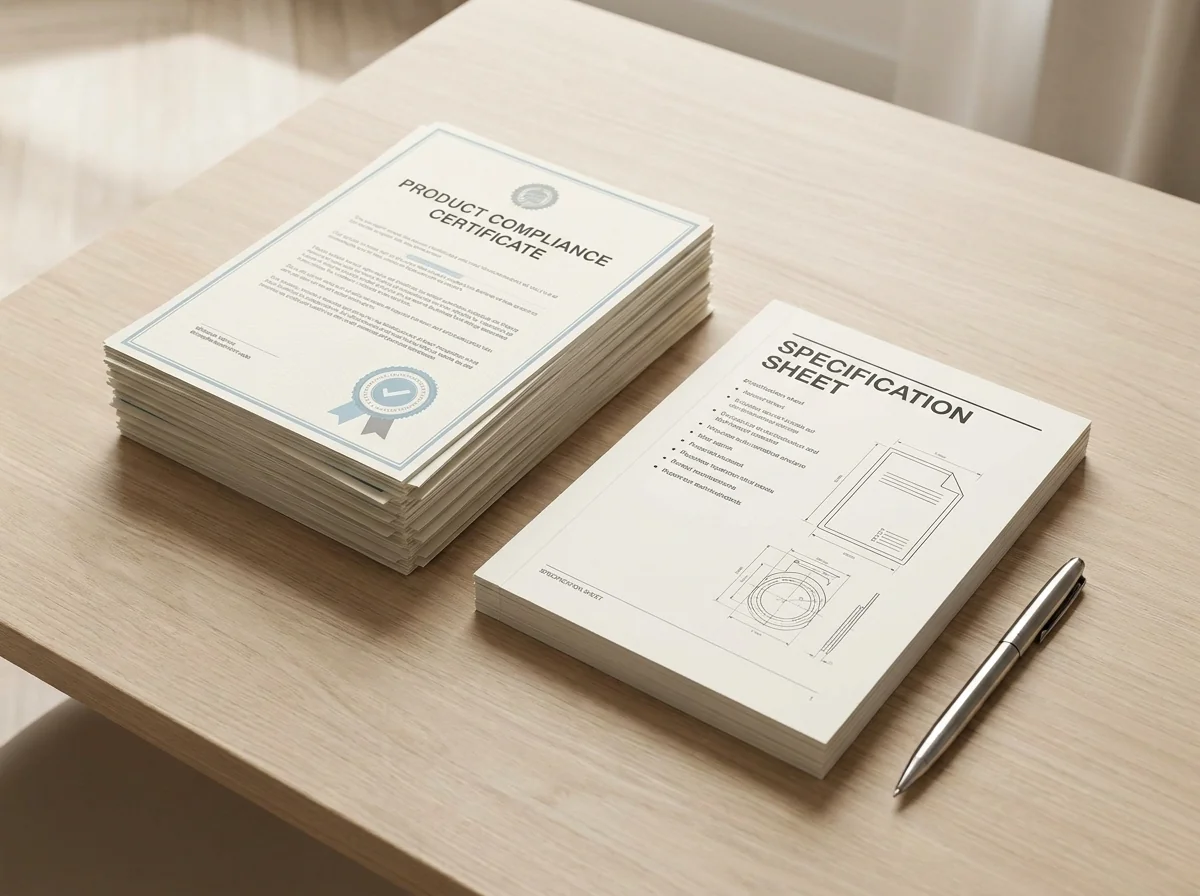
On certifications: we will tell you what documentation we currently hold and what we do not. If a target market requires a certification we have not yet obtained, we will say so and indicate what the process and timeline would be to get it. We do not list certifications in a proposal that we cannot produce documents for.
For buyers placing their first order with us, we are open to starting with a smaller quantity to let both sides verify that the product performs as expected before scaling up. How that works in practice depends on the product; we discuss it case by case rather than applying a fixed rule.
Our Manufacturing Base: Nanchang, Jiangxi
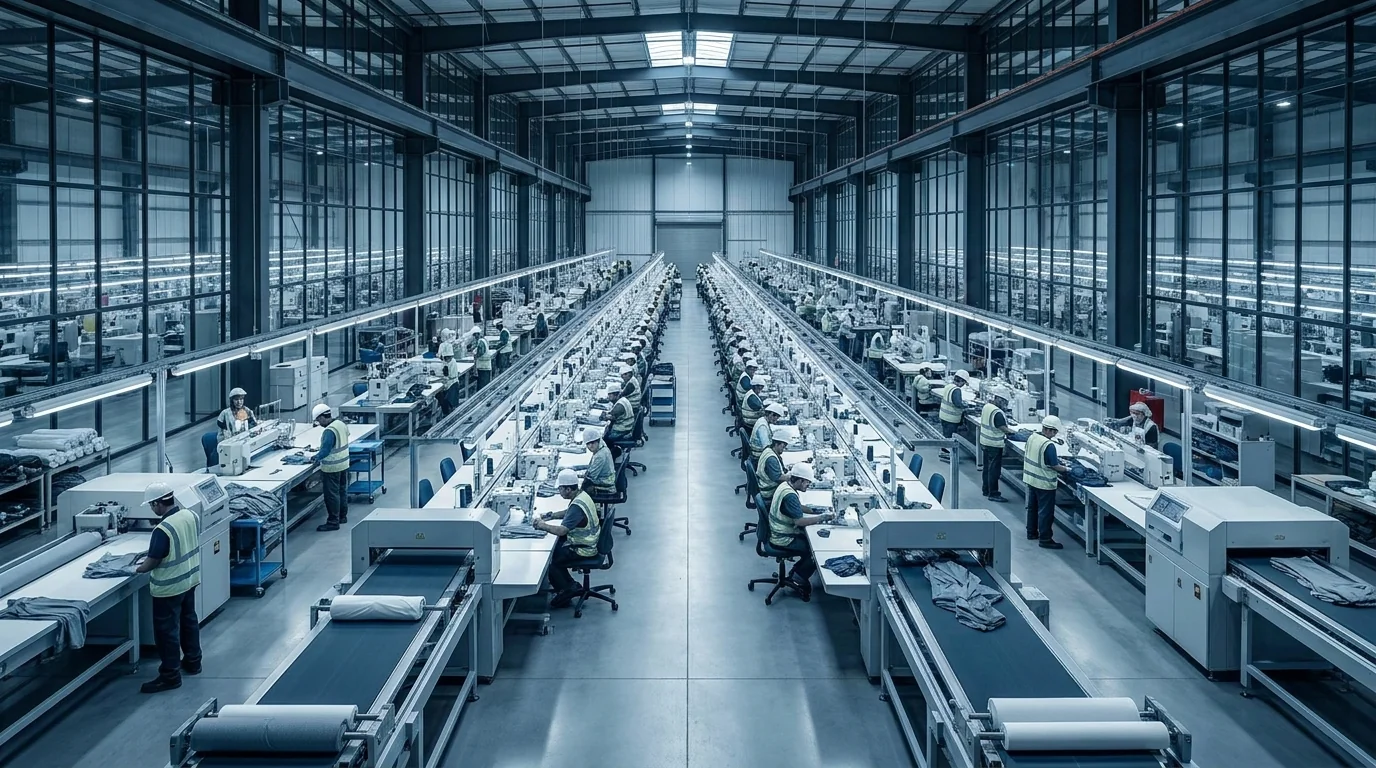
Our factory is located in Nanchang, Jiangxi Province. All manufacturing described on this site — sewing, PCM filling, and electronic heating assembly — takes place at this facility. We do not operate as a trading company that sources production from other factories.
Nanchang has established freight connections to major Chinese export ports, which keeps lead times predictable for standard orders. We handle export documentation and logistics coordination from this location.
Quality Philosophy
The production units we ship should match the sample you approved.
What We Ship Matches What You Approve
The standard we hold ourselves to is straightforward: the production units we ship should match the sample you approved. This is not a guarantee we add to marketing materials. It is the working assumption behind how we set up each order.
Before production starts, we document the approved sample as the reference point. That includes the physical sample itself, the written spec sheet with agreed dimensions and materials, and any color or finish references the buyer has confirmed. When the production run is complete, finished units are checked against that approved sample, not against a general quality threshold.
The reason we structure it this way is practical. A buyer who receives goods that do not match what they approved has a problem with their own customers. Replacing or correcting a production run after the fact is expensive and slow for both sides. Getting the specification agreed in detail before production starts, and using the approved sample as the actual benchmark, is the only reliable way to avoid that outcome.
If a production issue arises, we communicate it before the goods ship, not after. Buyers can then decide how to proceed with accurate information.
If we do not have it, we say so.
We Only Claim What We Have
We do not list certifications we cannot provide documentation for. When a buyer asks what certifications apply to a product, we tell them what we currently hold and what we do not. If a specific certification is required for their target market and we do not have it, we say so and explain what obtaining it would involve in terms of process and timeline.
The same applies to production capacity and lead times. We give buyers realistic timelines based on current factory conditions, not the shortest number that might win the order. If our schedule is full, we say so. If a requested quantity or timeline is at the edge of what we can reliably deliver, we flag it in advance rather than accepting the order and managing the problem later.
This approach means we sometimes lose inquiries to suppliers who promise more. We accept that. Buyers who have worked with overpromising suppliers before tend to find the difference worthwhile.
Ready to Talk
Ready to Discuss Your Requirements?
Tell us what you need. Tina, our sales manager, will respond within one business day.