Heated apparel manufacturer

Heated Apparel Manufacturer

China-based OEM/ODM heated apparel manufacturer producing battery-heated vests, jackets, gloves, scarves, shawls, blankets, seat cushions, and insoles for wholesale buyers, importers, and private-label brands.

  • Battery-heated vests, jackets, gloves, scarves, shawls, blankets, cushions, and insoles
  • Carbon-fiber, far-infrared, and graphene heating elements, multi-zone
  • OEM, ODM, and private label, sample-first
  • One factory for heating and cooling
Battery-heated jacket with highlighted heating zones at the collar, chest, and back Collar Chest Back Hands Lower back

Heated range

Heated Apparel and Goods We Manufacture

We manufacture eight categories of heated apparel and heated goods, grouped below by where the heat is delivered: across the upper body, on the hands and feet, and in the things you sit on or wrap up in. Every product on this page is electrically heated, with built-in heating elements and a rechargeable power source. None of them is a passive product. For passive, non-electric hot and cold gel packs that you freeze or warm without a battery, see our gel ice pack line instead. All of the products here are available for OEM, ODM, and private label, all can be customized in heating layout, power, fabric, and branding, and the heating system itself can be supplied as a component kit for buyers who build their own garments. Use the three groups to shortlist before you send a brief.

A

Heated Upper-Body Apparel

These are the garments worn on the torso, neck, and shoulders, where keeping the core warm matters most in cold conditions. Heating elements are built into zones and powered by a rechargeable battery carried in a pocket or a USB power bank, so the wearer warms up without bulk and controls the heat by level.

Battery-heated vest with chest and back heating zones

Heated Vest

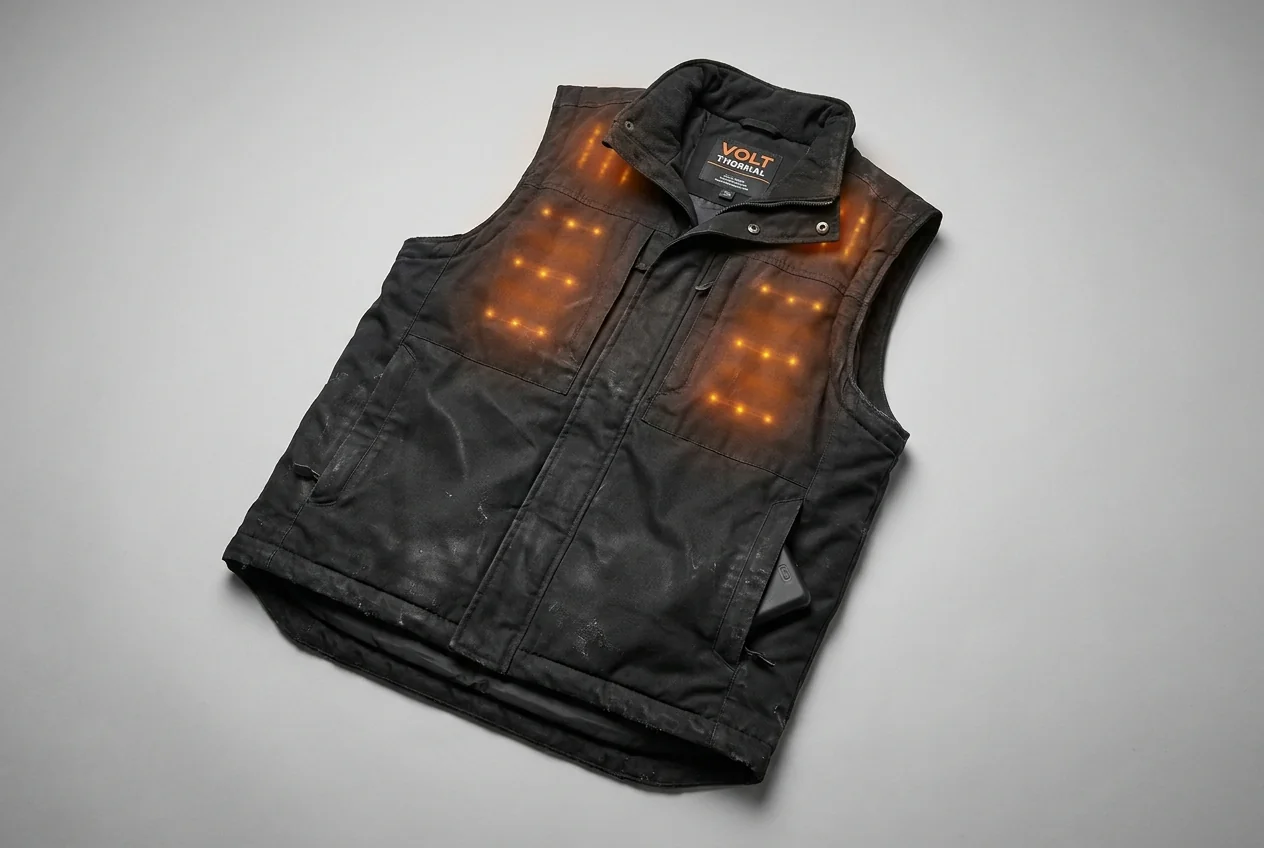
A heated vest puts warmth across the core, at the chest and upper back, without sleeves that restrict movement, which makes it the highest-volume heated product and the entry point for most cold-weather ranges. Heating elements are bonded into zones and run from a rechargeable battery carried in a pocket, so the wearer adds warmth under a jacket or over a base layer. It is bought for winter outdoor work, hunting, riding, and retail winter lines.

Buyers specify heating-zone layout and count, heating-element type, battery and power format, the number of temperature levels, shell fabric and fit, and branding.
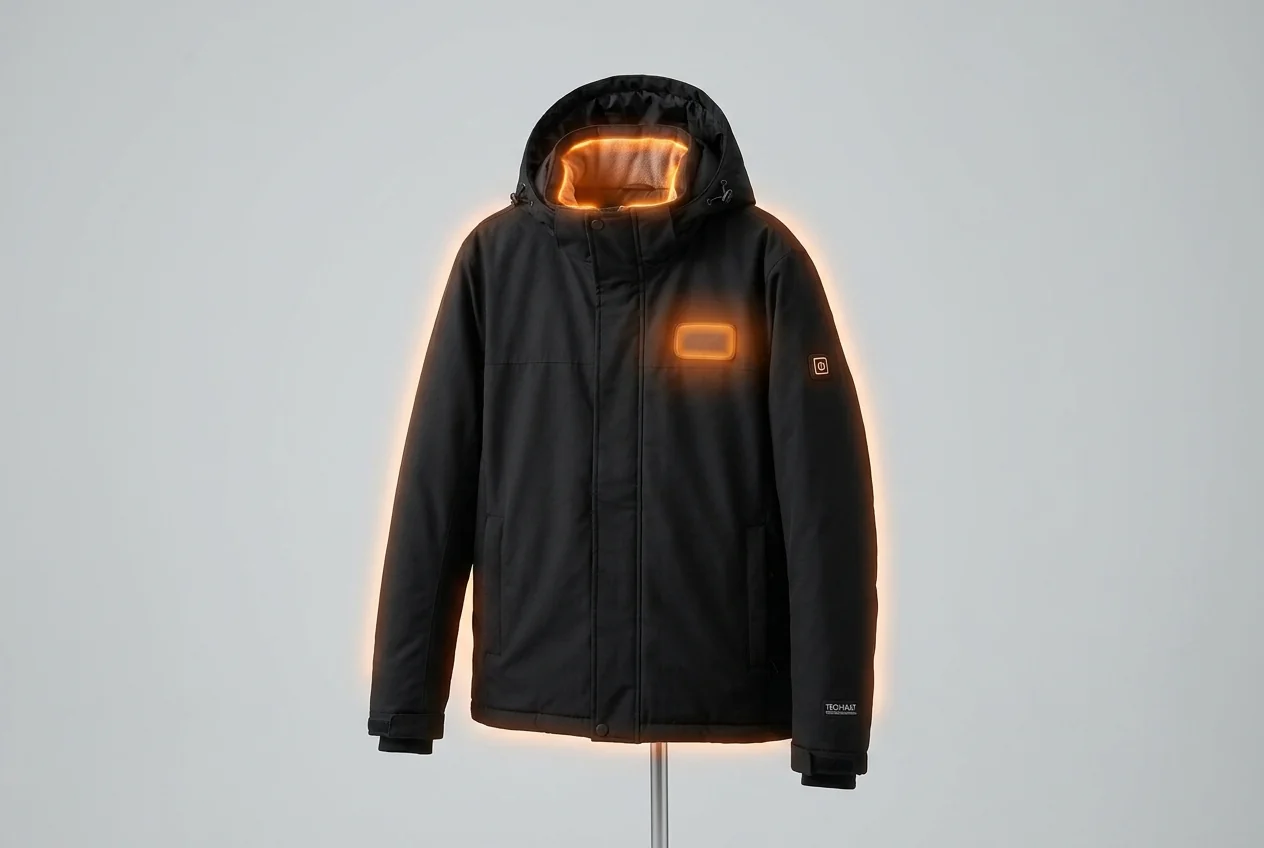
Battery-heated jacket with collar, chest, and back heating

Heated Jacket

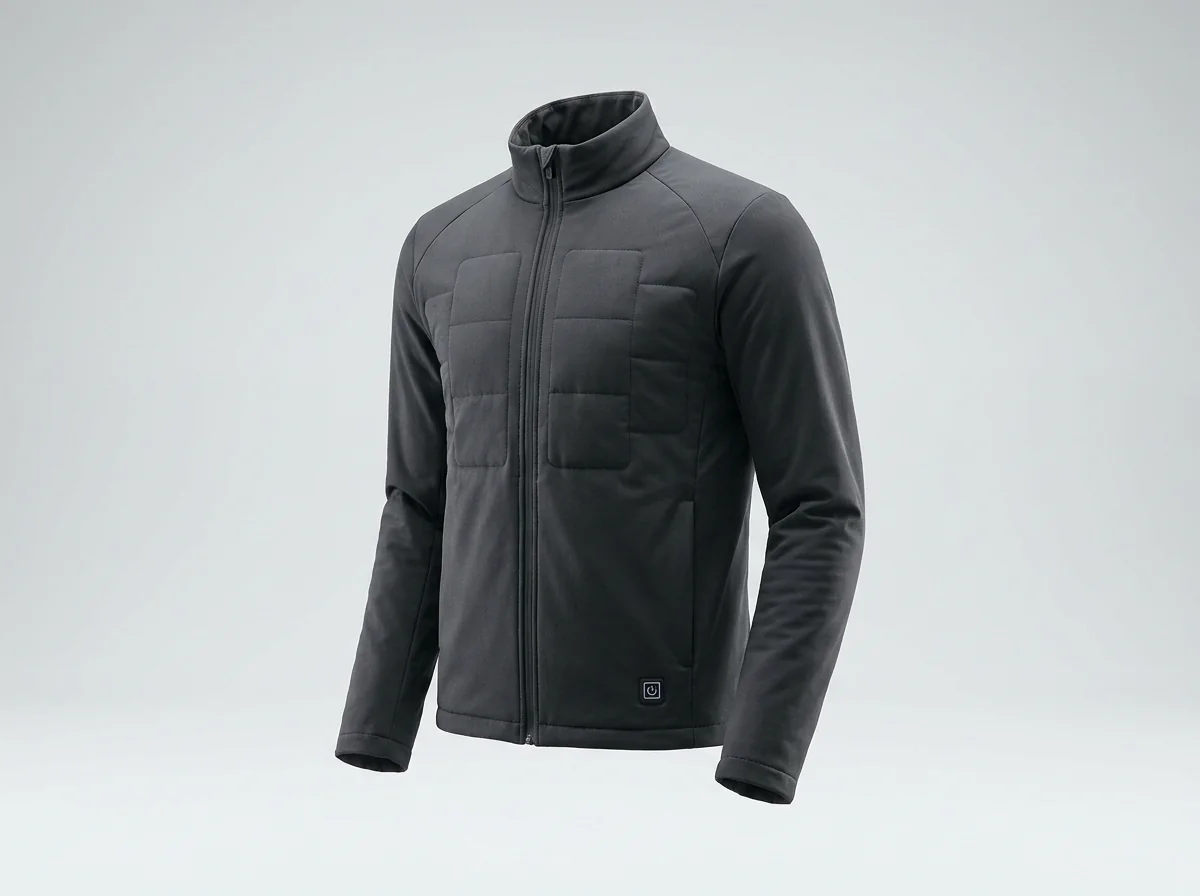
A heated jacket extends battery-heated zones into a full-sleeve shell, adding heat at the collar, chest, and back, and sometimes the pockets, inside a weather-resistant outer for cold, wet, or windy conditions. It suits buyers who need warmth and protection in one garment, for outdoor trades, riding, and winter sport.

Buyers specify zone layout and count, heating-element type, battery and power format, the number of temperature levels and whether zones are controlled separately, shell construction (softshell, insulated, hi-vis, or waterproof), fit, and branding.

Battery-heated scarf and neck warmer

Heated Scarf

A heated scarf, or heated neck warmer, wraps a heating element around the neck, one of the body’s most cold-sensitive areas, for targeted warmth in a small, giftable, high-repeat item. It runs from a small rechargeable battery or a USB power bank and is light enough to wear all day. It is bought for retail winter, promotional, and senior-comfort ranges.

Buyers specify length and wrap style, element placement, power format, temperature setting, outer fabric, and branding.

Battery-heated shawl for the shoulders and lap

Heated Shawl

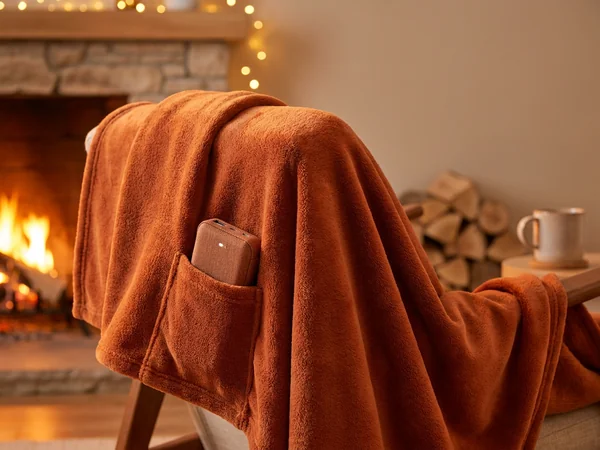
A heated shawl is a larger wrap that warms the shoulders, upper back, and lap while seated, at a desk, in a chair, or while travelling, for comfort and home-warmth ranges. It heats a broad, soft panel from a rechargeable battery and is made in washable fabrics with the electronics removable for care. This is a comfort-warmth product, not a medical or therapeutic device.

Buyers specify size and shape, heated-panel coverage, power format, temperature levels, fabric, and branding.

B

Heated Hand and Foot Wear

These are the products that warm the extremities, the hands and feet, which lose heat fastest and are the hardest to keep warm in the cold. Each carries its own small rechargeable battery and is built to keep heating where dexterity, grip, and footing matter.

Battery-heated gloves with back-of-hand heating

Heated Gloves

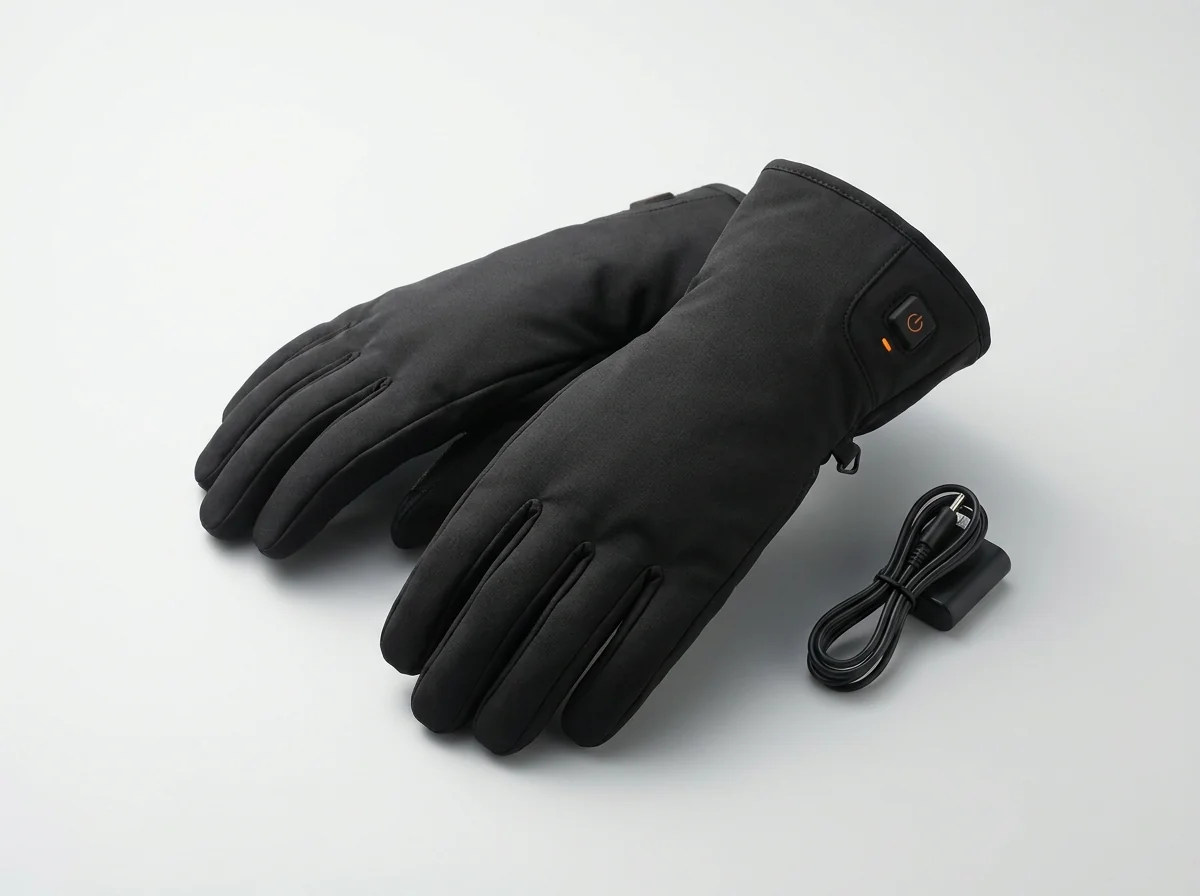
Heated gloves run heating elements across the back of the hand and the fingers, the area hardest to keep warm and the most important for grip and safety in the cold. Each glove carries its own small rechargeable battery, usually at the cuff, with its own temperature levels. They are bought for skiing, motorcycling, hunting, and cold-weather work. Heated mittens and heated liner gloves are made on the same basis.

Buyers specify element coverage (back-of-hand, full-finger, or thumb), battery and power format, temperature levels, glove construction and waterproofing, sizing, and branding.

Battery-heated insoles for cold-weather footwear

Heated Insoles and Shoes

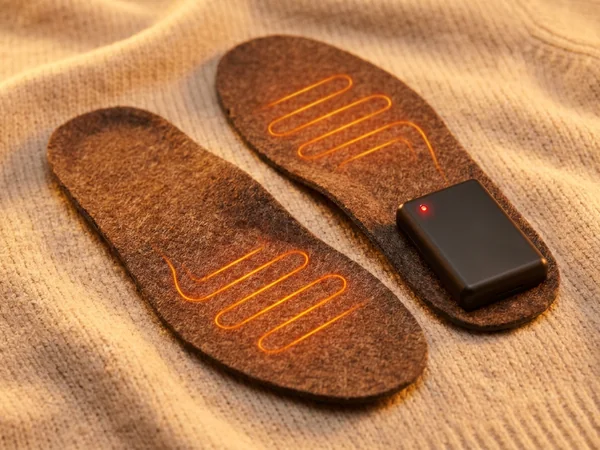
Heated insoles place a thin heating element under the foot, powered by a small rechargeable battery at the ankle or controlled by remote, to keep feet warm through long cold-weather exposure. They are sized or trimmed to fit standard footwear, or built into heated boots and shoes. They are bought for skiing, hunting, outdoor work, and winter retail.

Buyers specify insole size range, element placement, battery and control format, temperature levels, and branding.

C

Heated Blankets, Cushions, and Vehicle Goods

These are the heated goods you rest on or wrap up in rather than wear, for warmth at home, on the road, and outdoors. They heat a broad soft panel from a rechargeable battery or a vehicle power outlet, and are made for portable use rather than mains power.

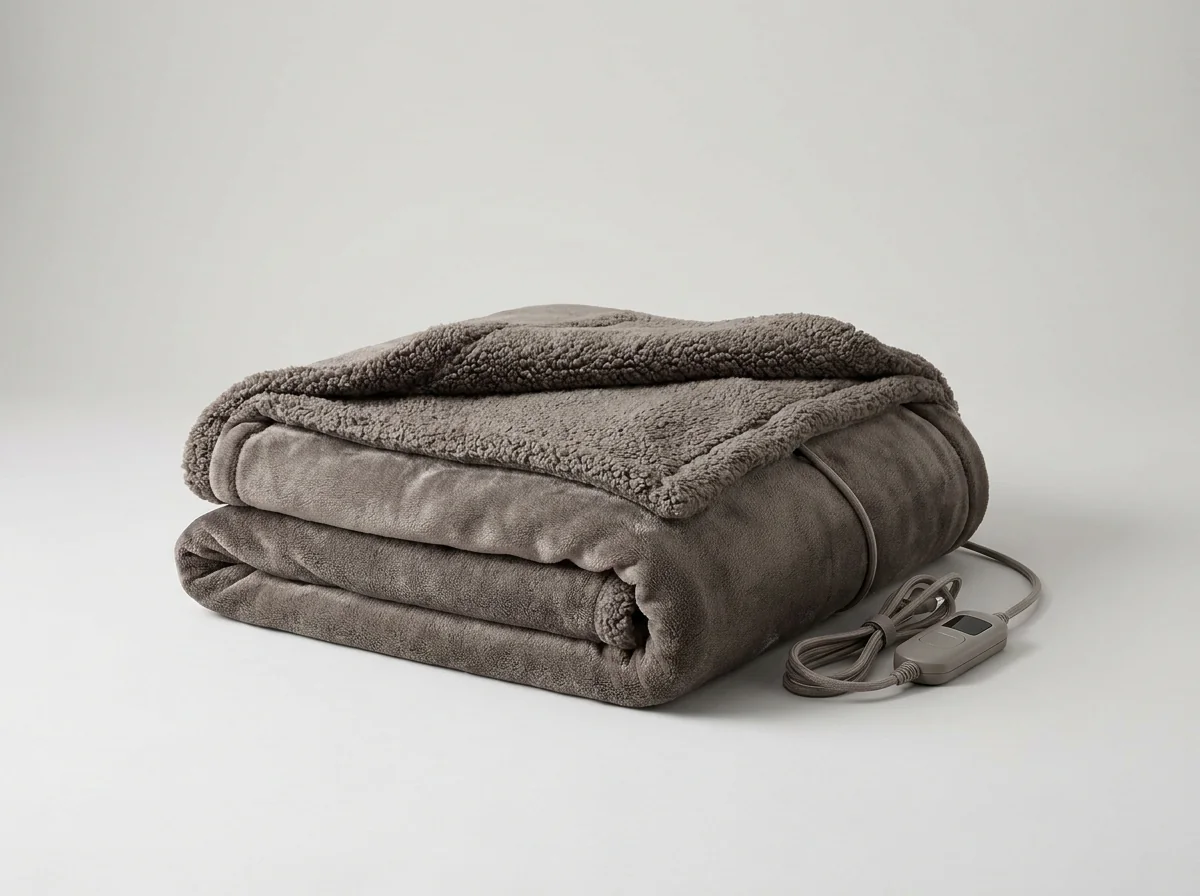
Portable battery-heated blanket for travel and vehicle use

Heated Blanket (Portable / Vehicle)

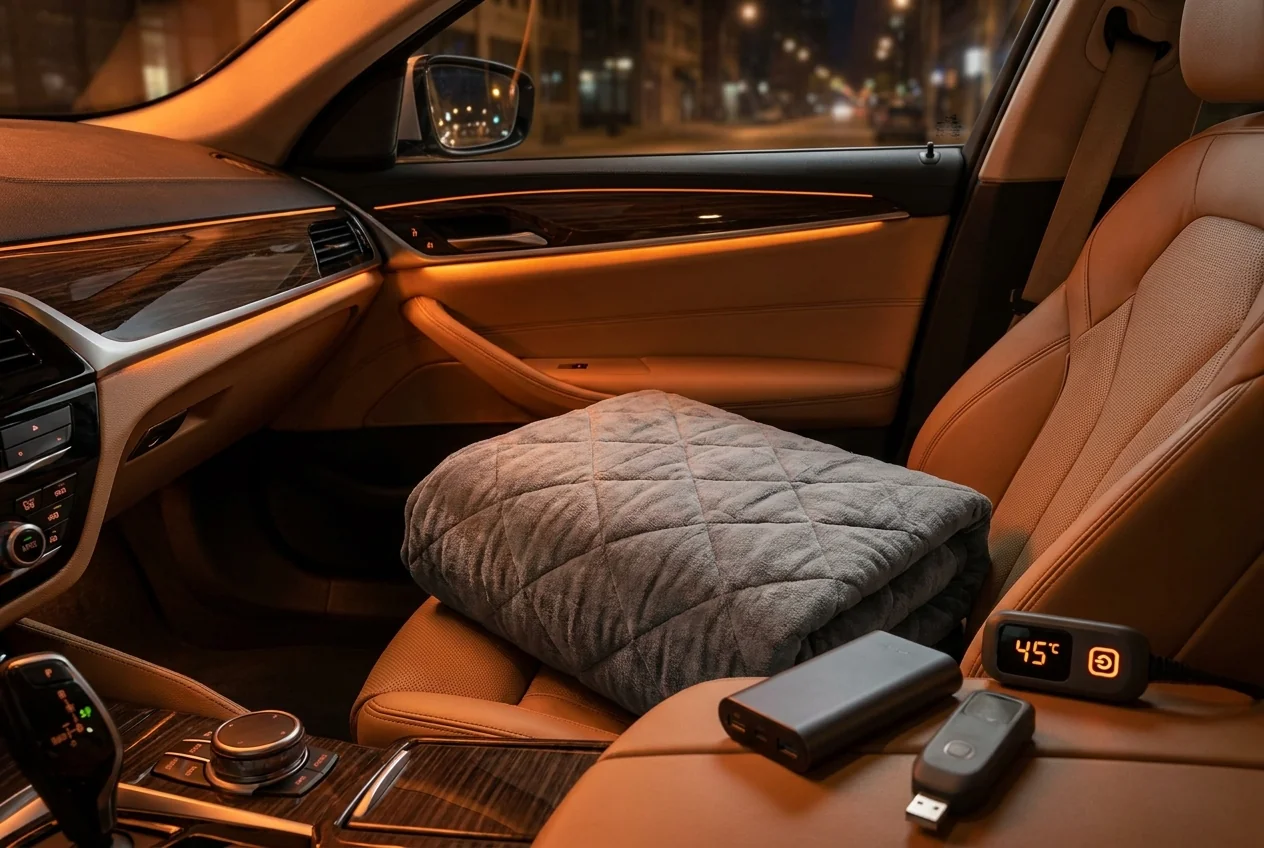
A portable heated blanket warms a large soft panel from a rechargeable battery or a vehicle power outlet, for camping, travel, watching outdoor events, or use in a car, rather than from a mains socket like a household electric blanket. It is made in soft, washable fabrics with the heating system removable for care. It is bought for outdoor, automotive-accessory, and comfort ranges.

Buyers specify size and heated coverage, power source (battery or vehicle outlet, with the format confirmed at the spec stage), temperature levels, fabric, and packaging.

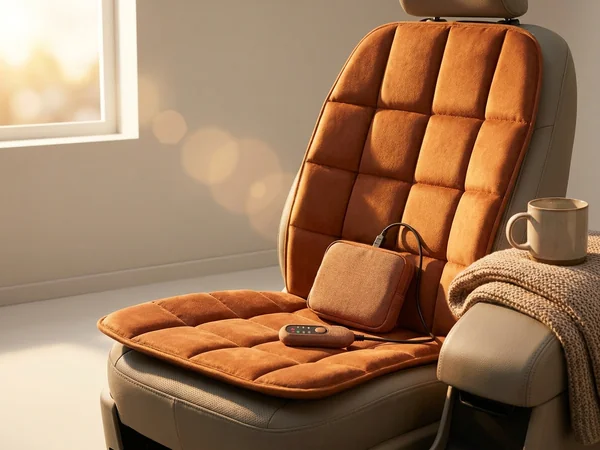
Battery-heated seat cushion for car, office, and outdoor use

Heated Seat Cushion

A heated seat cushion warms the seat and lower back from a rechargeable battery or a vehicle power outlet, for use in cars, at outdoor events, in offices, and at home. It heats a contoured panel and is made with a durable, wipeable or washable cover. It is bought for automotive-accessory, outdoor, and comfort ranges.

Buyers specify cushion size and shape, heated zones (seat, back, or both), power source, temperature levels, cover material, and branding.

Looking for warmth without electronics, or for our other lines? For passive, non-electric hot and cold gel packs you freeze or warm by hand, see Gel Ice Pack Manufacturer →. For pet heating pads and self-heating coats, see Pet Heating Products Manufacturer →. For summer cooling gear, see Cooling Vest Manufacturer → and Personal Cooling Products Manufacturer →.

Ways to order

How You Can Order: OEM, ODM, Private Label, and Wholesale

There are four ways to work with us on heated apparel. Because a heated garment combines a textile and an electronic heating system, buyers come both for finished private-label products and for the heating system supplied to their spec. Choose the route that matches how finished your idea is; the exact specifications you can change are detailed below in How We Customize Heated Apparel.

OEM

You bring your own design or technical spec, including the heating layout, power, and controls you want, and we manufacture the heated product to it. Best when you already have a defined product.

ODM

You start from one of our existing heated designs and adjust the heating zones, element type, power, fabric, or fit. Best when you want a proven base and a faster path to sample.

Private label

Your logo, woven or printed labels, hangtags, and retail packaging applied to any heated product, on an OEM or ODM order. An NDA is available before you share designs.

Wholesale / blank stock

Standard heated products in bulk without customization, for buyers who want a faster turnaround and a known product.

For buyers who assemble their own garments, the heating elements, batteries, and controllers can also be supplied as a component kit; this is covered under Sample, Trial, Bulk, and Component Supply.

Who we supply

Buyers and Markets We Supply

Heated apparel sells into cold-weather markets, and the right products change with the buyer. We supply buyers serving:

Winter outdoor work & industrial PPE

Heated vests, jackets, and gloves for site crews, utilities, cold-storage, and logistics workers in cold conditions.

Hunting, fishing & cold-weather outdoor sports

Heated vests, jackets, gloves, and insoles for long, still exposure in the cold.

Motorcycling & powersports

Heated jackets, vests, and gloves for riders, where wind chill makes added heat valuable.

Skiing & winter sports

Heated gloves, vests, and insoles for the slopes and cold-weather activity.

Health, elderly comfort & home warmth

Heated shawls, blankets, and seat cushions for comfortable warmth at home, in the office, and while travelling.

Retail winter, outdoor & promotional brands

Heated scarves, vests, and gloves as seasonal retail SKUs and branded cold-weather products.

If your end use is not listed, describe it in your brief and we will recommend the heated products, heating elements, and power setup that fit your market and climate.

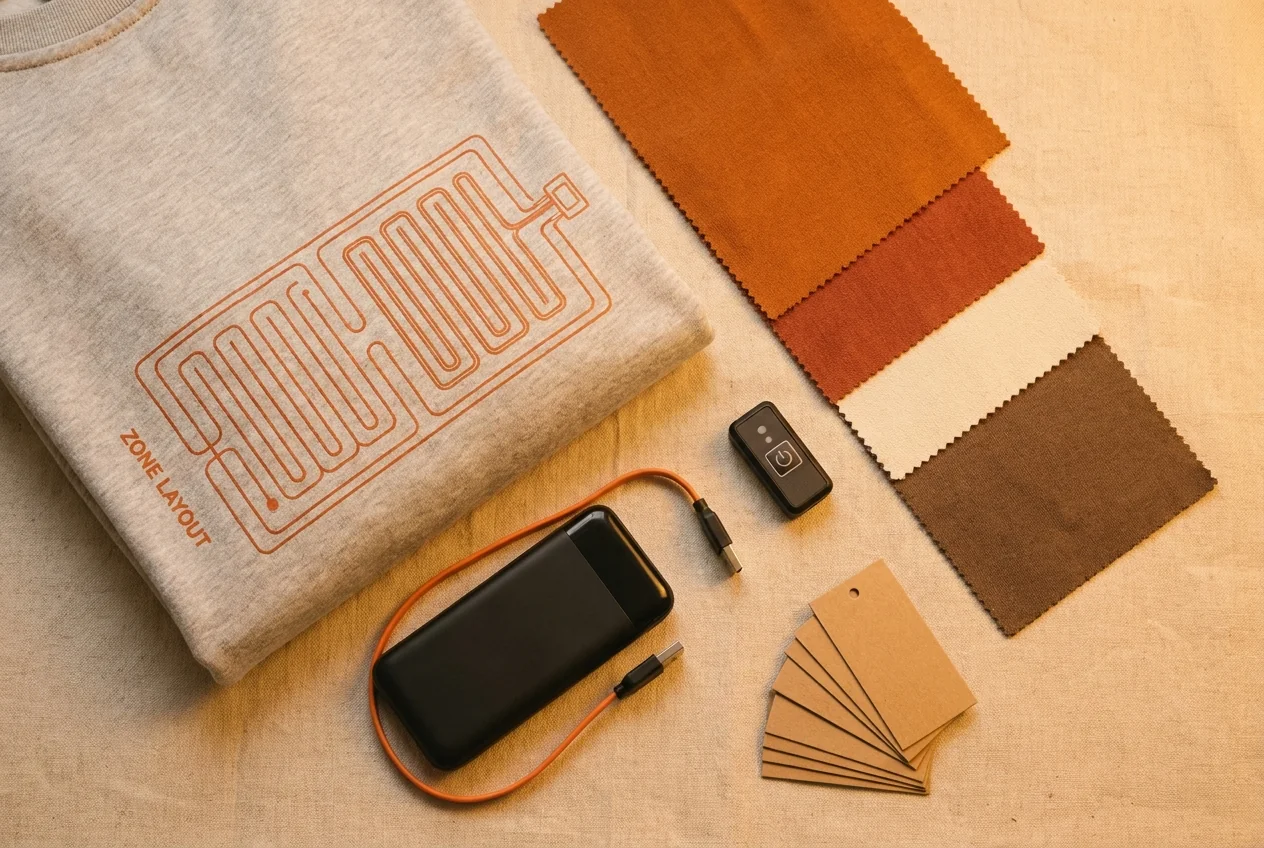
Heated apparel customization: heating-zone layout, battery, controller, fabric, and logo samples

Customization

How We Customize Heated Apparel

Customization on a heated product happens across six areas. For each, you tell us your requirement and target market, and we confirm what we will produce on a written spec before any sample is made. On a heated garment, the heating system is specified as carefully as the fabric.

  • Heating zones and layout. Which areas heat (for example collar, chest, back, pockets, hands, or a seat panel), how many zones there are, and whether they are controlled together or separately. The zone layout is the core of a heated product and is set to how your end user works or moves.
  • Heating element. Carbon-fiber, far-infrared film, or graphene, chosen to match the product, the area heated, and how the garment flexes. We advise which element fits the product at the brief stage; the methods are explained in Heating Elements and Power Systems.
  • Power and battery. A rechargeable battery, a USB power bank, or a vehicle power outlet for blankets and cushions. We offer multiple battery and voltage options, and the exact battery format and voltage are matched to the product and confirmed on the written spec at the brief stage rather than fixed in advance.
  • Temperature control. The number of heat levels and the control method (button controller, and on some products an app or remote), set on your spec.
  • Fabric, fit, and sizing. Shell and lining fabrics graded for warmth, weather, and durability, full size grading, and unisex, men’s, or women’s cuts to your size chart or market.
  • Branding and packaging. Screen print, heat transfer, embroidery, woven labels, and printed hangtags, plus retail or wholesale packaging, barcoding, and master-carton marking to your spec.

Heating technology

Heating Elements and Power Systems

What makes a heated garment work, and what a buyer is really specifying, is the heating element and the power system behind it. We build three kinds of heating element and pair each with a rechargeable power source matched to the product. We advise on the right combination at the brief stage.

Carbon-fiber, far-infrared, and graphene heating elements with a battery and controller
Three heating elements, one factory
01

Carbon-fiber heating elements

Fine carbon-fiber heating wires or pads that are flexible and durable, heat up quickly, and bend with the garment. They are the most widely used element for vests, jackets, and gloves because they survive movement and repeated wear and run efficiently from a portable battery.

02

Far-infrared heating film

A thin film element that gives a gentle, even warmth across a broad panel rather than from discrete wires. It suits shawls, blankets, seat cushions, and back panels, where a soft, evenly spread warmth over a larger area is wanted.

03

Graphene heating elements

A newer film-type element that heats thinly and evenly across a panel and is valued for fast, uniform warm-up. We offer it where a buyer specifies it or where its even-panel heating fits the product.

04

Power system

Every product is powered by a rechargeable battery, a USB power bank, or, for blankets and seat cushions, a vehicle power outlet. We offer multiple battery and voltage options; the exact battery format, voltage, and runtime are matched to the product and confirmed on the written spec at the brief stage, not fixed in advance. Each product is supplied with a matched charger.

05

Multi-zone heating

Elements are built into separate heating zones so the wearer can heat the areas that matter most and manage battery life. The number and placement of zones is part of your spec, and on some products each zone is controlled on its own.

Safety & care

Temperature Control, Overheat Protection, and Washing

Three things decide whether a heated garment is safe, durable, and saleable: how the wearer controls the temperature, how the product guards against overheating, and whether it can be washed. These are where a serious heated-apparel buyer should look closely, and where we focus the build.

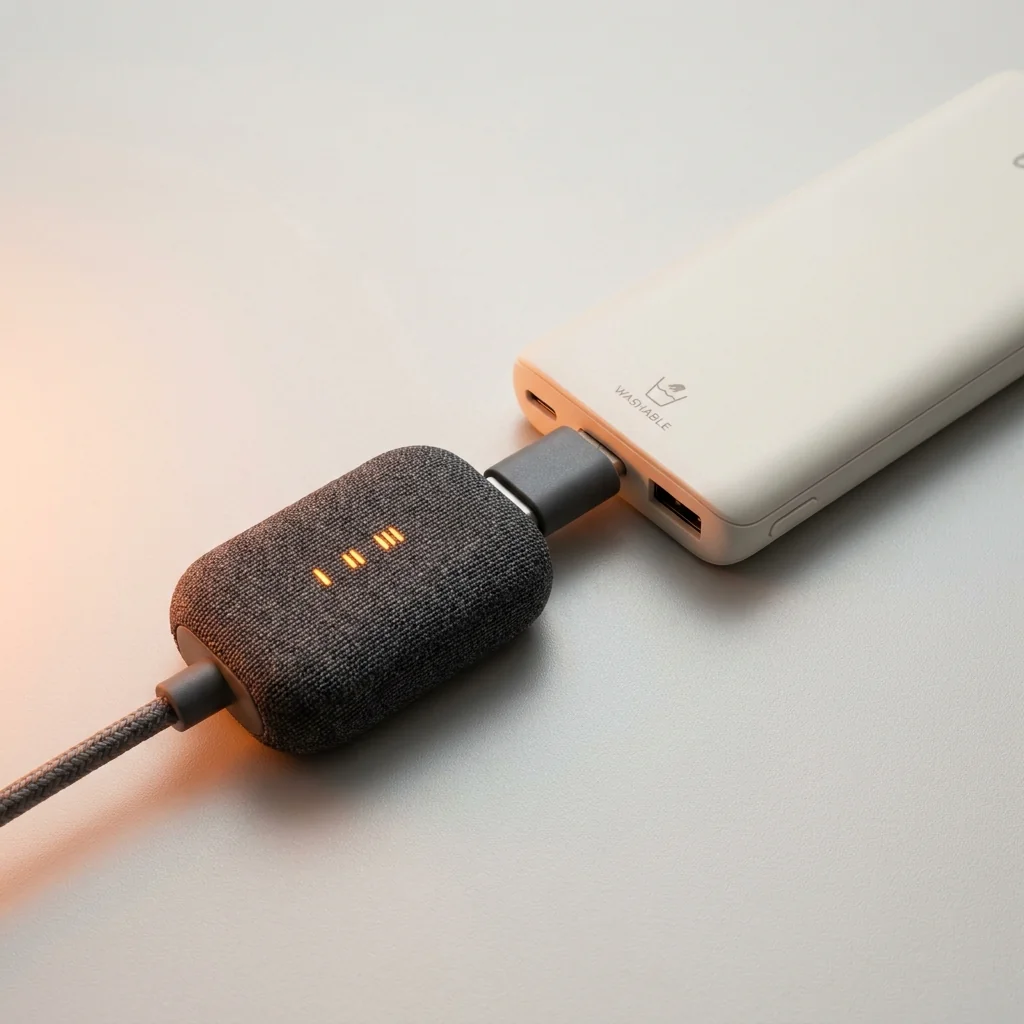
Temperature controller with heat levels and a removable battery for washing

Temperature control levels

Heated products are built with multiple temperature settings, commonly a low, medium, and high range, selected by a button controller or, on some products, an app or a remote. The number of levels, the control method, and whether different zones are set separately are part of your spec.

Overheat protection

Each powered product is built with a temperature-limiting controller designed to keep the element from exceeding a safe surface temperature, so the product warms without the risk of overheating in normal use. Every powered unit is functionally tested before it ships.

Battery safety and charging

Products use rechargeable batteries with the protection circuitry expected for that cell type and are supplied with a matched charger. Battery safety testing and the documentation needed to ship batteries are covered under Electrical Safety, Battery Certification, and Transport Compliance in the next part.

Washing and care

The heating element is built to tolerate normal garment use, and on most products the battery and controller are removable so the garment can be washed, by hand or machine to the care spec, with the electronics kept dry. We confirm the washing method and which parts are removable for each product on the written spec.

Production timeline

OEM Process and Production Lead Times

Every heated apparel order runs through the same six steps. The lead times shown are typical ranges; the exact timeline for your product and quantity is confirmed at the quotation stage. Because a heated garment integrates electronics, sampling and production usually take longer than for non-powered apparel.

1

Brief and spec sign-off

You send your product brief (product type, heating zones, element type, power and battery, temperature levels, fabric, logo, and packaging). We return a written technical specification, and both sides sign off before sampling begins.

Before sampling
2

Sampling

We produce a physical sample to the confirmed spec, with the heating system integrated, in your colorways and sizes, longer than non-powered apparel because the heating elements, battery, and controller are integrated and tested.

Typical: around 10–20 working days
3

Sample review and sign-off

You evaluate the sample for warmth, zone performance, control, fit, and finish, including a functional check of the heating. We revise if needed; the approved sample and spec become the binding production reference, with tolerances documented.

Buyer sign-off
4

Bulk production

Production runs against the signed sample, with in-line QC at cutting and sewing, heating-element integration, wiring, and battery and controller fitting.

Typical: around 30–50 days
5

QC and functional testing

Before packing, every powered product is functionally tested for heat output by zone, controller operation, overheat-limit behavior, and connector integrity, and the battery is checked. Third-party inspection can be arranged at your request.

Pre-shipment
6

Packing and shipment

Products are packed to your retail or wholesale spec, with battery-shipping documentation and packaging prepared for sea, air, or courier, as covered under transport compliance below.

Sea / air / courier

Order structure

Sample, Trial, Bulk, and Component Supply

We handle four order types so you can verify a heated product before volume, and so you can buy the heating system on its own if you build your own garments. Minimums are confirmed per product at the quotation stage and differ by product: a simple heated scarf carries a different practical minimum than a multi-zone heated jacket with several batteries.

Step 01

Sample order

One or more physical heated products, produced with the same materials, elements, and process as bulk, for your internal review, warmth and fit testing, photography, and certification pre-assessment.

Step 02

Trial order (small batch)

A short production run, through the full QC and functional-testing process, to test market response and confirm that bulk will match the signed sample at scale before you place a large order.

Step 03

Bulk order

The full production run against the signed sample and confirmed spec. Payment terms and scheduling are confirmed at order placement.

For your own garments
Step 04

Component / heating-system supply

Heating elements, batteries, controllers, and wiring supplied as a kit to your spec, for buyers who assemble heated products in their own factory or build the heating system into their own garments rather than buying a finished product. The practical structure for component supply is confirmed per program at the quotation stage.

An NDA is available before you share designs or specifications for a private-label heated product.

Inside the factory

Heated Apparel Production at Our Factory

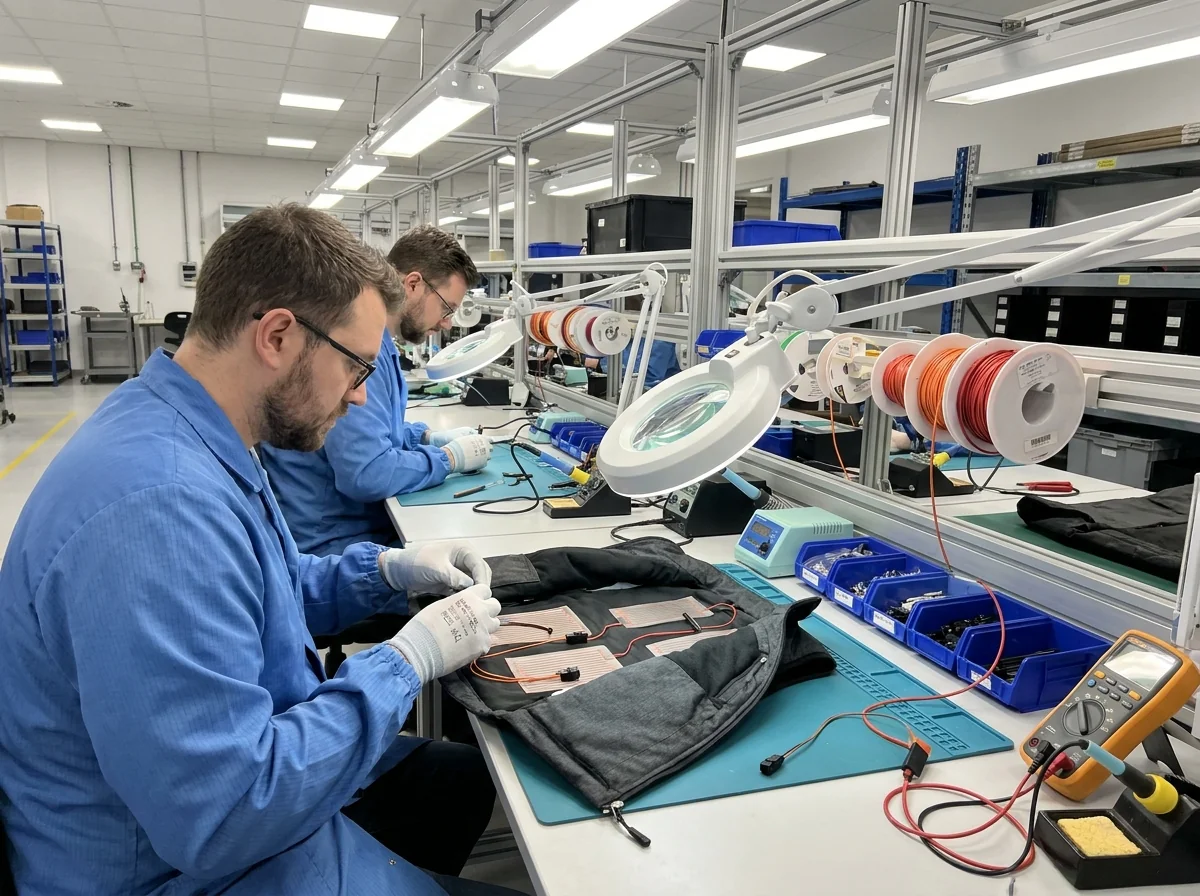
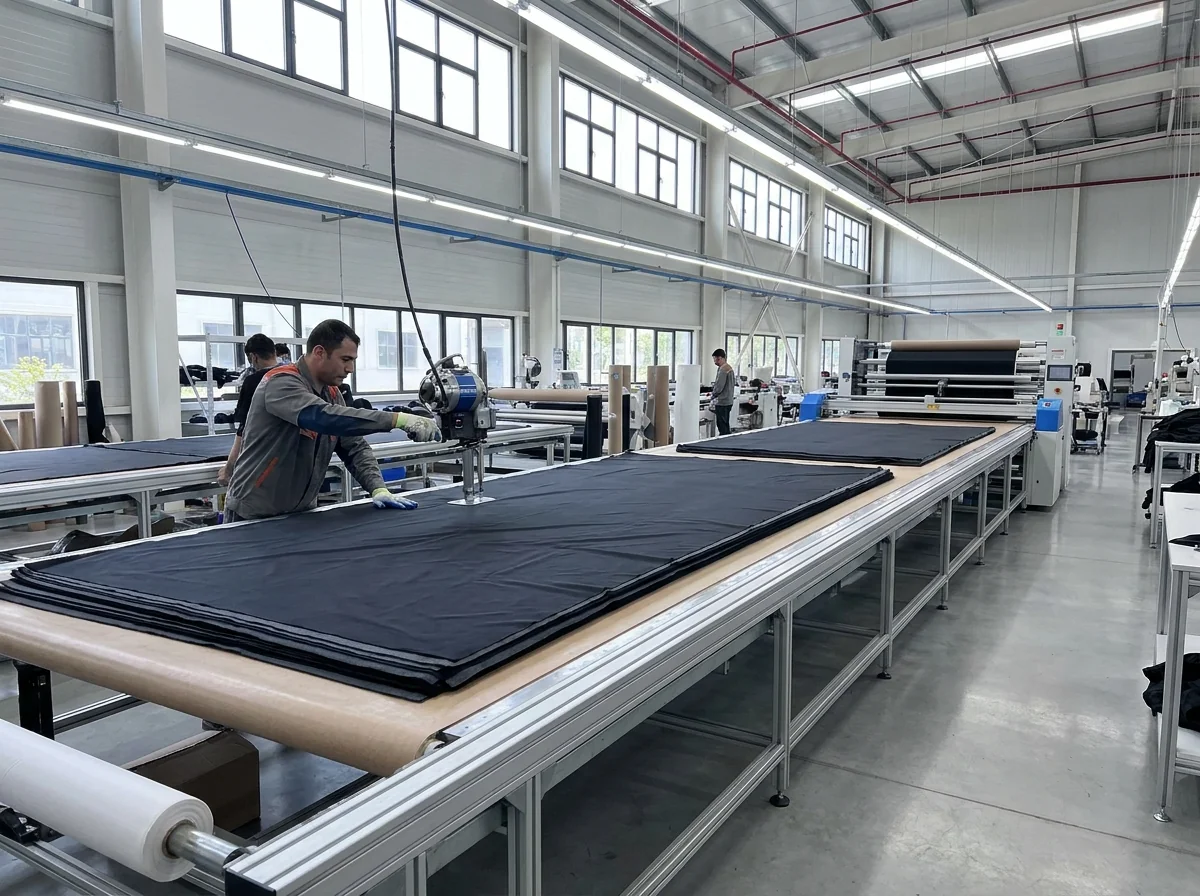
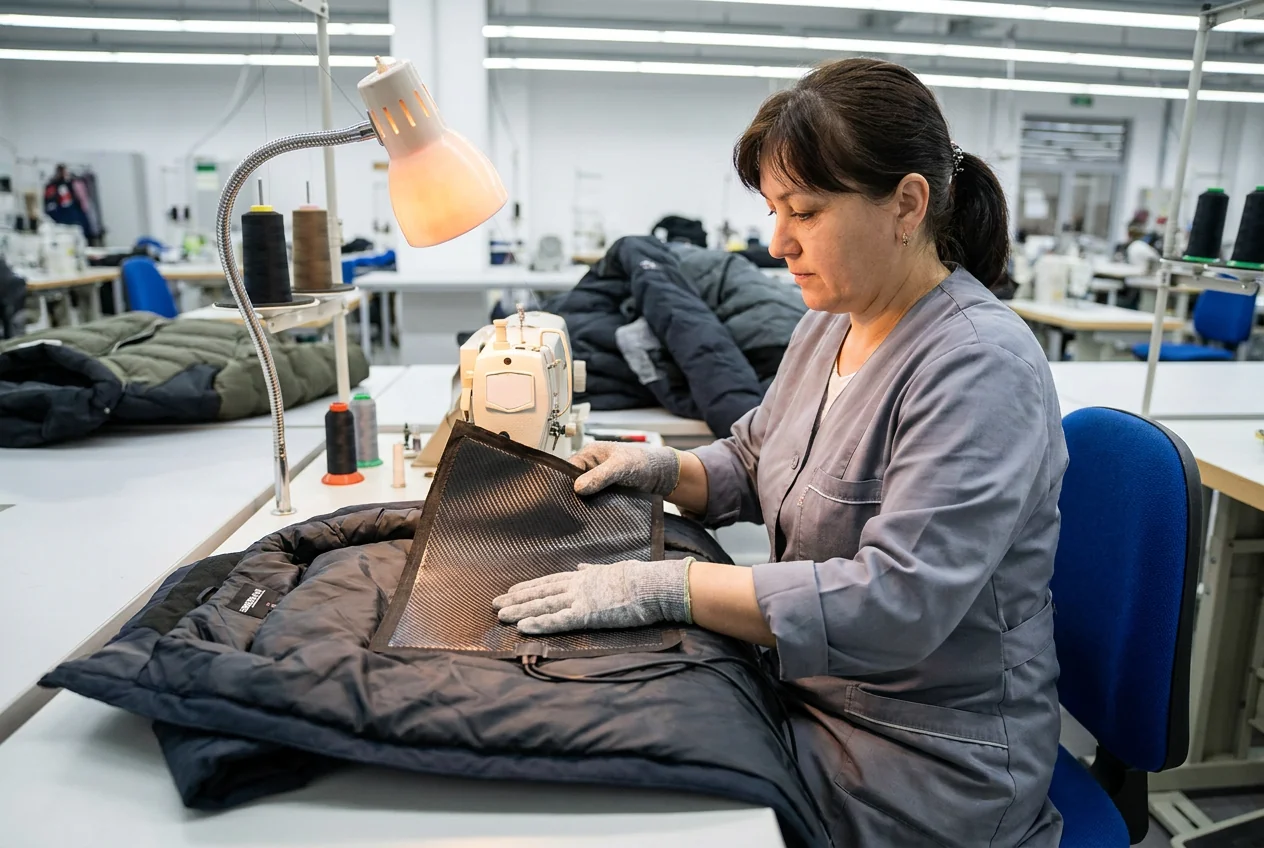
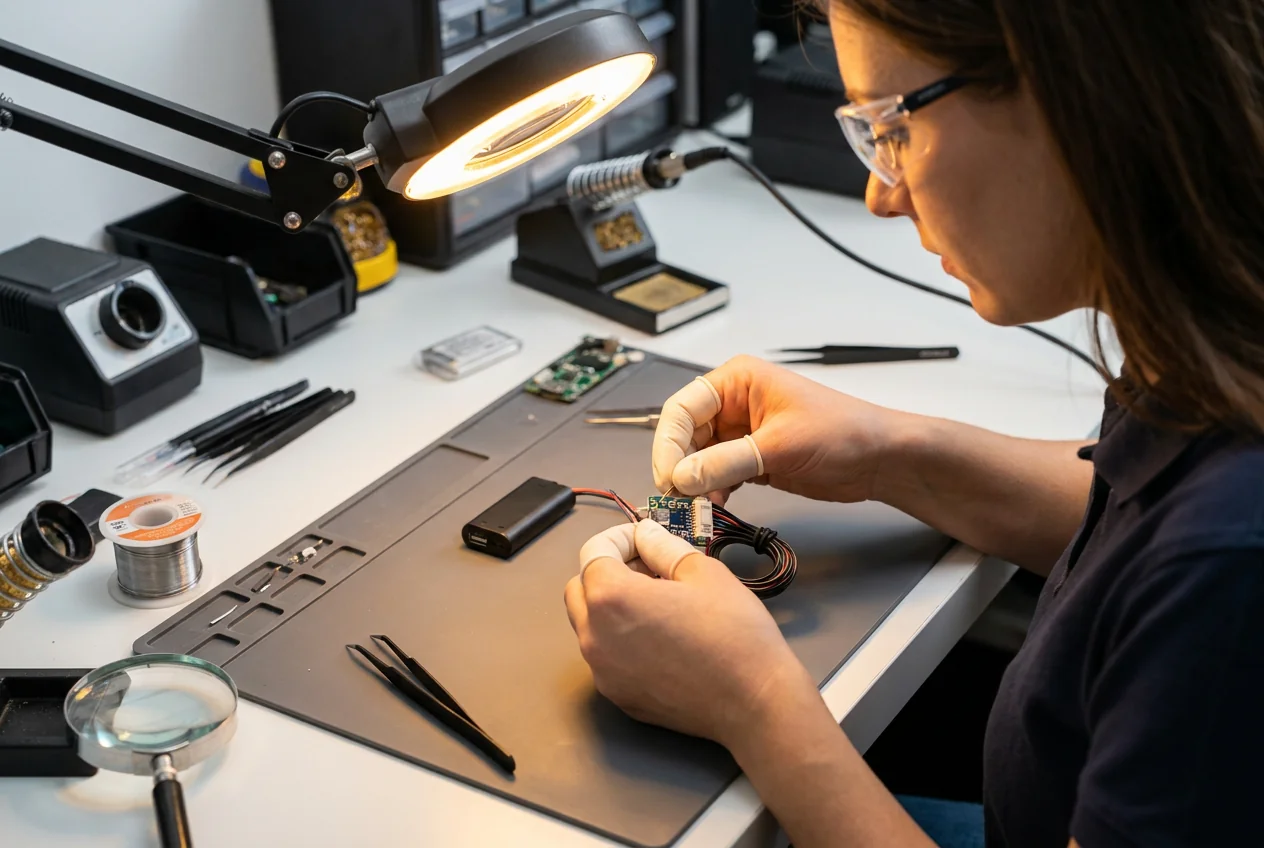
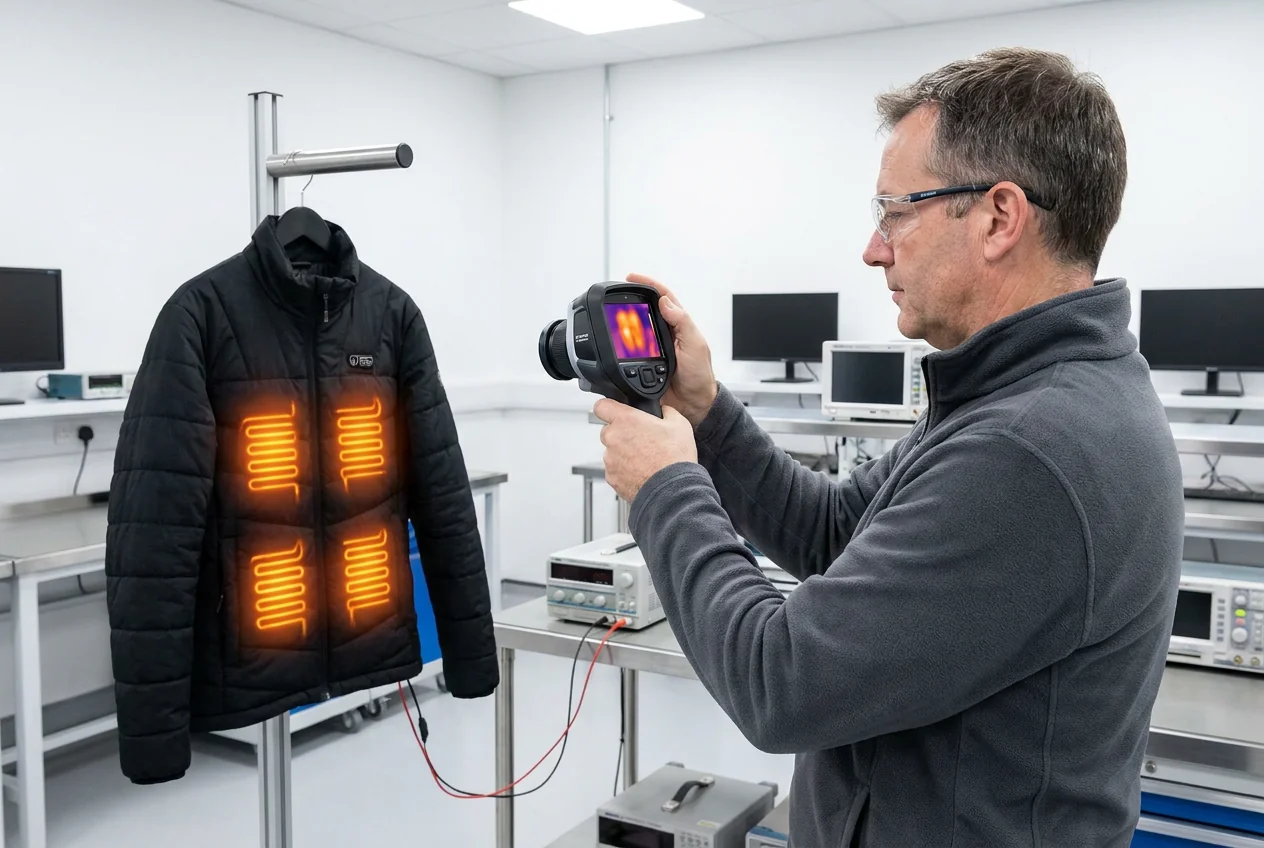
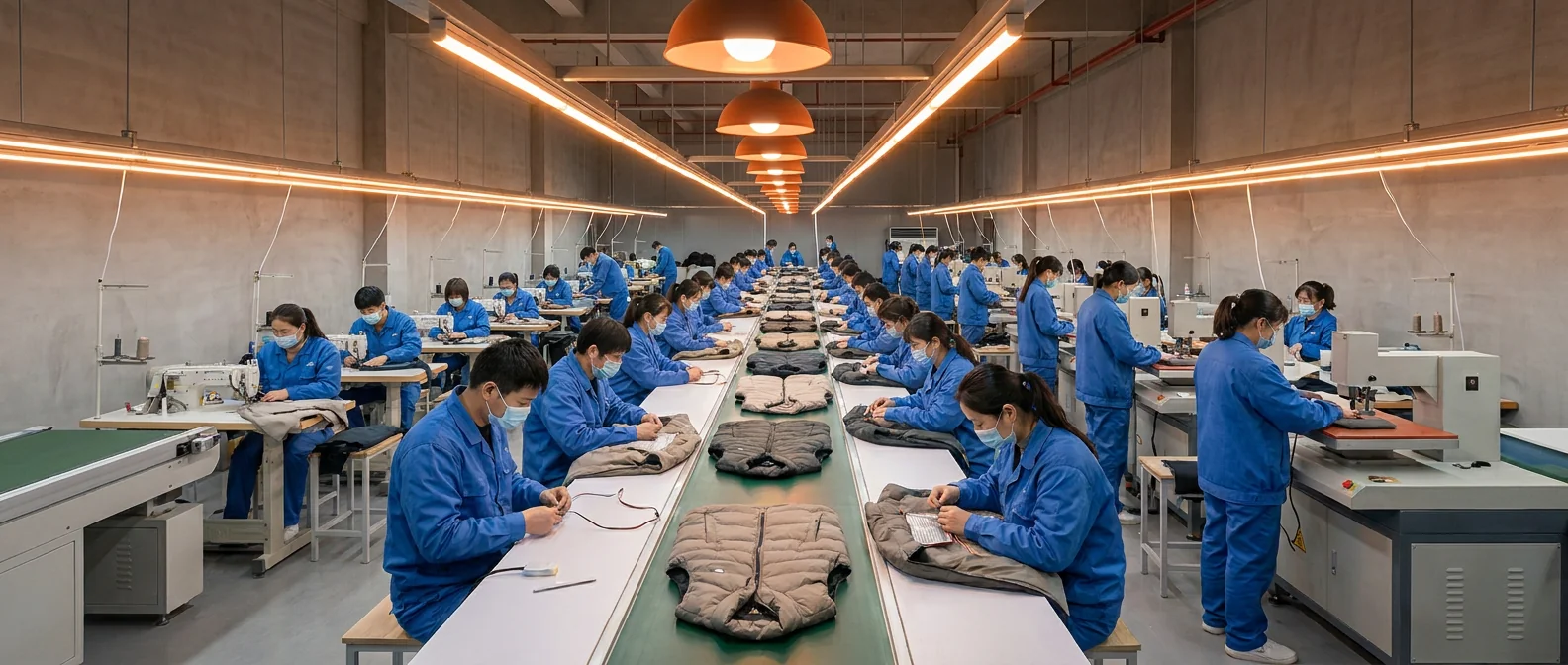
Heated apparel is cut, sewn, wired, assembled, and tested in-house, not sourced from another factory. Production is organized by process so each step is run and checked by the team responsible for it.

Cutting and sewing of heated garment shells and battery pockets
Cutting & sewing
Heating-element integration and wiring into heated garments
Heating-element integration
Battery, controller, and connector assembly for heated apparel
Battery & controller assembly
Functional heat and safety testing of finished heated apparel
Functional & safety testing
  • Cutting and sewingGarment shells, linings, and battery pockets are cut and sewn here, with seam and zone-channel specs checked against your approved sample.
  • Heating-element integrationCarbon-fiber, far-infrared, or graphene elements are positioned, bonded into their zones, and wired to the controller harness.
  • Battery, controller, and connector assemblyBatteries, controllers, switches, and connectors are fitted and connected; each powered unit is wired and prepared for testing.
  • Functional and safety testingFinished products are tested for heat output by zone, temperature-level operation, overheat-limit behavior, and connector integrity before they are packed.

To read about the factory, our two production lines, and where we are based, see About IceBear Care

Heated apparel production and assembly line

Buying heated apparel direct from the factory means technical answers on heating elements and batteries from the people who build the garment, the safety and transport documents you need to ship battery-powered products, and bulk production held to the sample you approved.

Factory-direct

Sourcing Direct from the Factory vs. a Trading Company

A heated garment is an electronic product as well as a textile, and a large run lives or dies on heating that is even and safe, batteries that pass certification, and paperwork that lets the goods ship. When you source it direct from the China-based factory that builds it, the difference shows up in the answers you get and the documents you can verify.

What matters when buying heated apparel Direct from IceBear Care Through a Trading Company
Technical answers Questions on heating-element type, zone layout, battery, and controls are answered by the people who build the garment. Technical questions are relayed to an underlying factory and back, with a lag and a risk of detail lost in translation.
Electronics and functional QC Every powered unit is functionally tested for heat output, controls, and overheat behavior on the same line that builds it, and records can be reviewed. QC is managed at one remove; functional faults often surface only after the goods ship.
Battery certification and transport We tell you which electrical and battery documents apply to your market, help arrange the testing, and prepare the documentation and packaging needed to ship the batteries. Documents may be shared, withheld, or belong to a different factory than the one making your order.
Customization speed Heating zones, power, fabric, and branding are handled directly with the production team and reflected in a revised sample quickly. Requests pass through an account manager; response is slower and you have limited visibility into what the factory can do.
Lead-time control Scheduling and shipping are managed in one place; any delay is identified and communicated directly. The trader depends on the factory’s schedule and passes on updates with a lag.

Full thermal range

One Factory for Heating and Cooling

Heated apparel is one of two production lines we run. The same factory also manufactures a full summer cooling range, including cooling vests and fan jackets, personal cooling accessories, and gel and hot/cold packs, as well as pet heating and cooling products, which lets seasonal and multi-category buyers consolidate suppliers and ship mixed categories together. We keep this page focused on electric heated apparel; for the other lines, see the pages below.

Electrical & battery safety

Electrical Safety, Battery Certification, and Transport Compliance

Heated apparel is an electrical product with a rechargeable battery, so two kinds of compliance matter: the safety of the electronics, and the rules for shipping the battery. The exact requirements depend on the product and the market you sell into. We tell you which documents apply, which we can support, and which would need testing, at the quotation stage. We do not list certificates we cannot produce documentation for.

Electrical and electronic safety

For battery-powered garments and goods sold into the EU and similar markets, CE marking (including electromagnetic compatibility and low-voltage safety) and RoHS (restricted hazardous substances) apply to the powered components. We can support and arrange CE / RoHS testing for your target market.

CERoHS

Battery transport compliance

Rechargeable lithium batteries are regulated in transport, and shipments typically require UN 38.3 transport testing of the battery, plus correctly documented, packaged, and labeled handling for sea or air freight. We can support and arrange the battery testing and prepare the transport documentation and packaging needed to ship your order.

UN 38.3 transportDangerous-goods packaging

Skin-contact textiles

For garment shells and linings worn against the skin, OEKO-TEX–type testing for harmful substances applies to the textile parts. We can support and arrange this testing for your target market.

OEKO-TEX–type

State your target market and how the product will be sold in your brief, and we will confirm the applicable certifications and what is needed to meet them before you commit to production.

Lower your risk

How We Reduce Your Sourcing Risk

The most common failures in heated apparel are uneven or unsafe heating, a battery that cannot be certified or shipped, and bulk goods that do not match the approved sample. Our process is built to remove those risks:

Sample-first

You approve a physical heated product, including its warmth, zones, and controls, before any bulk runs.

Written spec & signed sample as the binding reference

Production is measured against the document and the sample you signed off, not a description, with tolerances documented in advance.

Functional and safety testing on every powered unit

Heat output by zone, controller operation, overheat-limit behavior, and connector integrity are tested before shipment.

Honest scoping

We tell you what we can and cannot do, including which electrical, battery, and transport documents we can provide and which need testing, before you order.

NDA available

Request one before sharing designs for a private-label heated product.

Direct response

Jack, our sales manager, is your single point of contact and replies within one business day.

A typical path

An outdoor-workwear distributor sourcing heated vests and jackets for a cold-climate market starts with samples to confirm warmth, zone layout, and battery runtime, places a trial batch to validate sell-through and check the transport paperwork, then scales to a bulk order on the signed sample. We work to that sequence so each step de-risks the next.

Start a heated apparel inquiry

Request a Heated Apparel Quote

Tell us the heated products you need — type, heating zones, power, target market, customization, and quantity range — and Jack, our sales manager, will respond within one business day with the right heating element, power setup, and next steps. Ask for the catalog if you want to see the full heated apparel range first.