When one Amazon seller swapped a generic cooling vest for a custom-engineered ice pack version, orders quadrupled in a matter of months. No paid ad blitz, no viral TikTok moment. Just a smarter product built around what heat-stressed workers and outdoor enthusiasts actually need.
That growth story makes you pause and ask, "okay, but how?"
We'll walk through the real decisions behind this seller's success, break down why PCM and evaporative cooling technologies are reshaping the safety cooling gear market, and show you what actually goes into sourcing a winning product, from fabric choices to MOQs. Whether you're an established brand or just exploring private label opportunities, this is your blueprint for turning a commodity product into a category standout.
4x Order Growth Case Study: What This Custom Ice Pack Cooling Vest Got Right
Scaling a cooling vest business is rarely about one magic feature. It's a combination that clicks together.
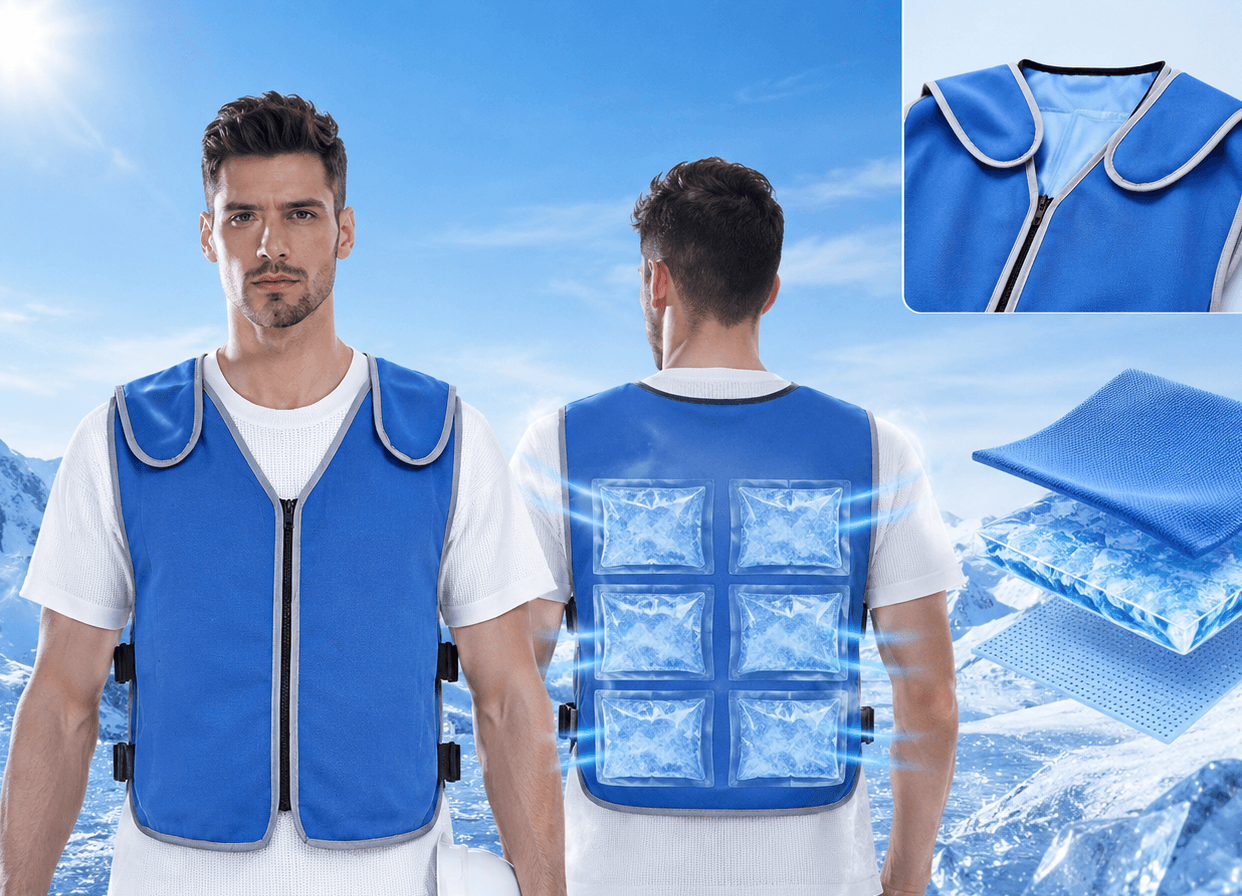
Looking at comparable Amazon and cross-border sellers in this space, the growth pattern is consistent. Winners sell specific, visualized configurations: "8 ice packs for extended cooling" or "4-pack reusable ice pack vest." That specificity lets shoppers compare products instantly instead of guessing.
Pricing tells its own story. Retail prices for these vests range from $192 to $422, while B2B wholesale quotes for PCM cooling vest options can run around ¥850 per unit. That's a huge spread, and customization is what pushes average order value up. A brand offering logo placement, size tweaks, or color options can justify a premium price point that a generic import simply can't.
What the Reviews Actually Reveal
Digging into 4.5-star review patterns for similar ice pack cooling vest products, five themes surface again and again:
Long-lasting cooling — buyers care about duration, not just that initial cold shock
Reusability — this phrase shows up in nearly every conversion-driving listing
Breathability and mesh construction — critical for outdoor workers wearing vests for hours
Fast initial cooling — the first impression matters
Leak-proof, no deformation — this is where most negative reviews originate
The 2–4 Hour Advantage
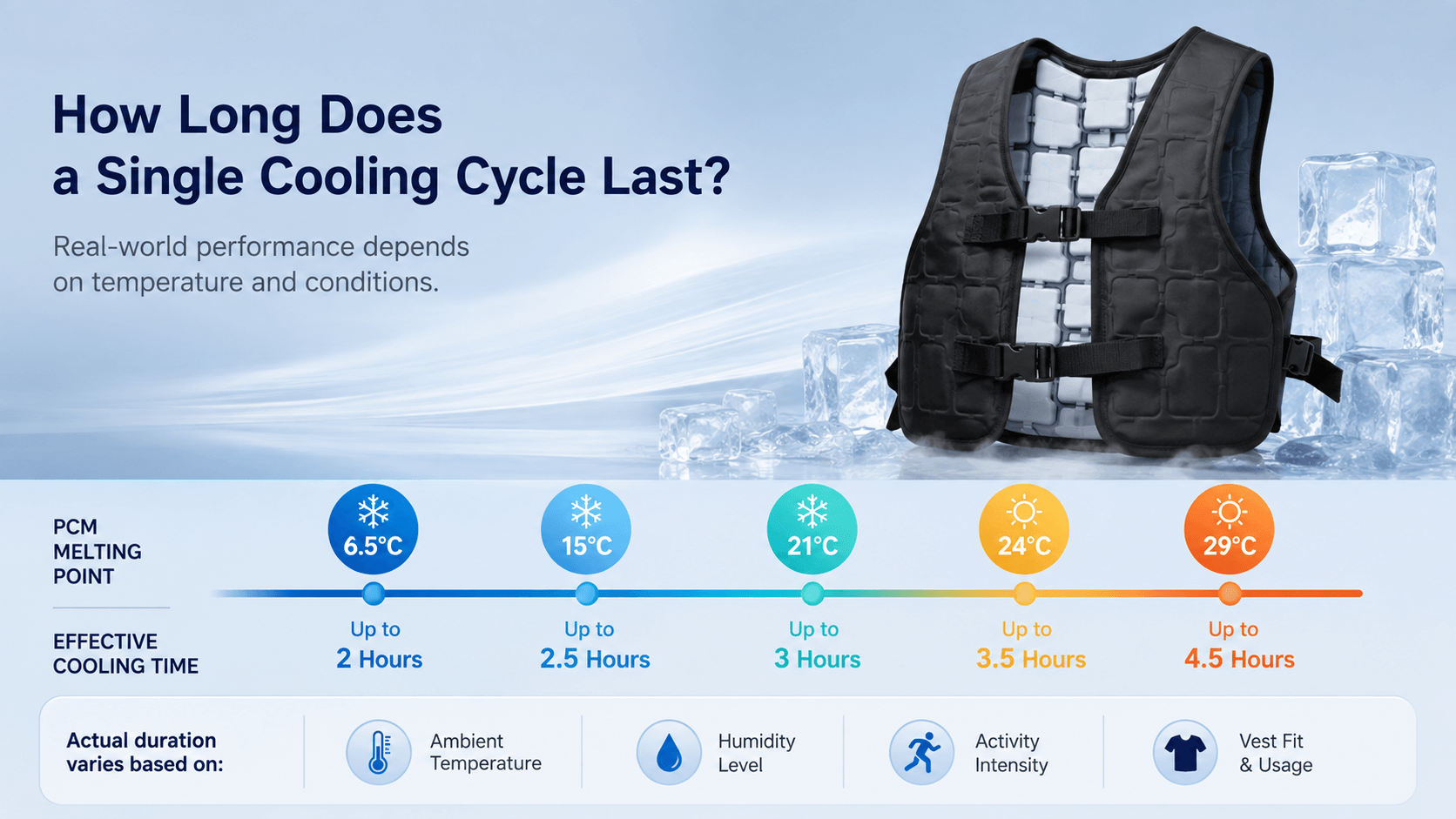
Standard evaporative cooling vests deliver 1–2 hours of relief. Ice pack and PCM designs push that to a 2–4 hour range, and that difference is structural, not just material-based.
The variables that matter:
Ice pack count — 4, 6, or 8 packs directly affects coverage and duration
Material route — PCM stabilizes around 14–15°C for consistent comfort, while ice packs deliver stronger initial cold
Pre-cooling time — PCM needs 20–30 minutes in the freezer; some ice pack inserts require 4–6 hours
Leak-proof engineering with double-sealed layers and deformation-resistant shells solves the complaints that tank star ratings: soaked clothing, burst packs, reduced reuse cycles. It's not glamorous, but it's what keeps buyers coming back for reorders.
How Ice Pack Cooling Vests Work and Their Core Technical Advantages
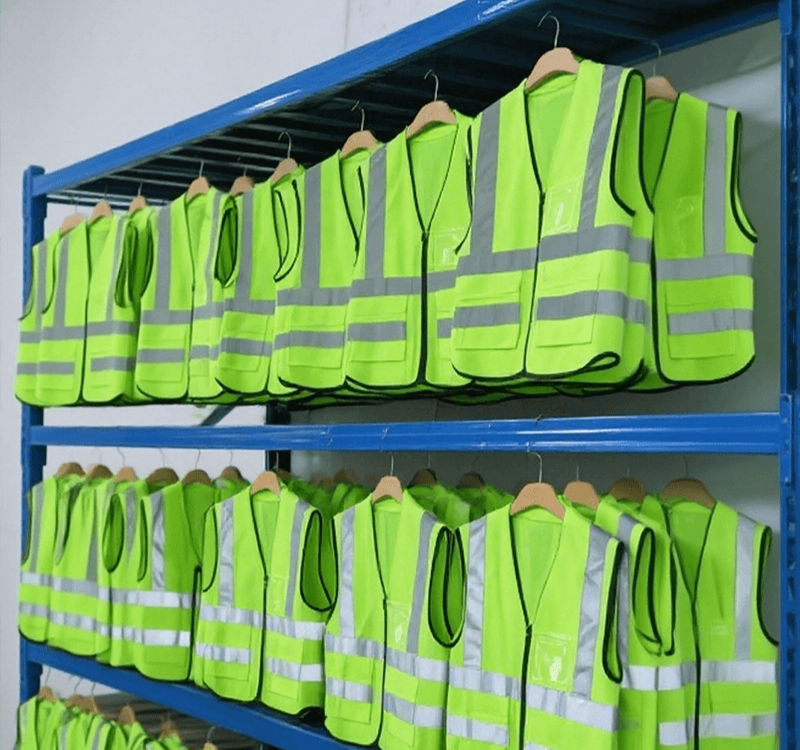
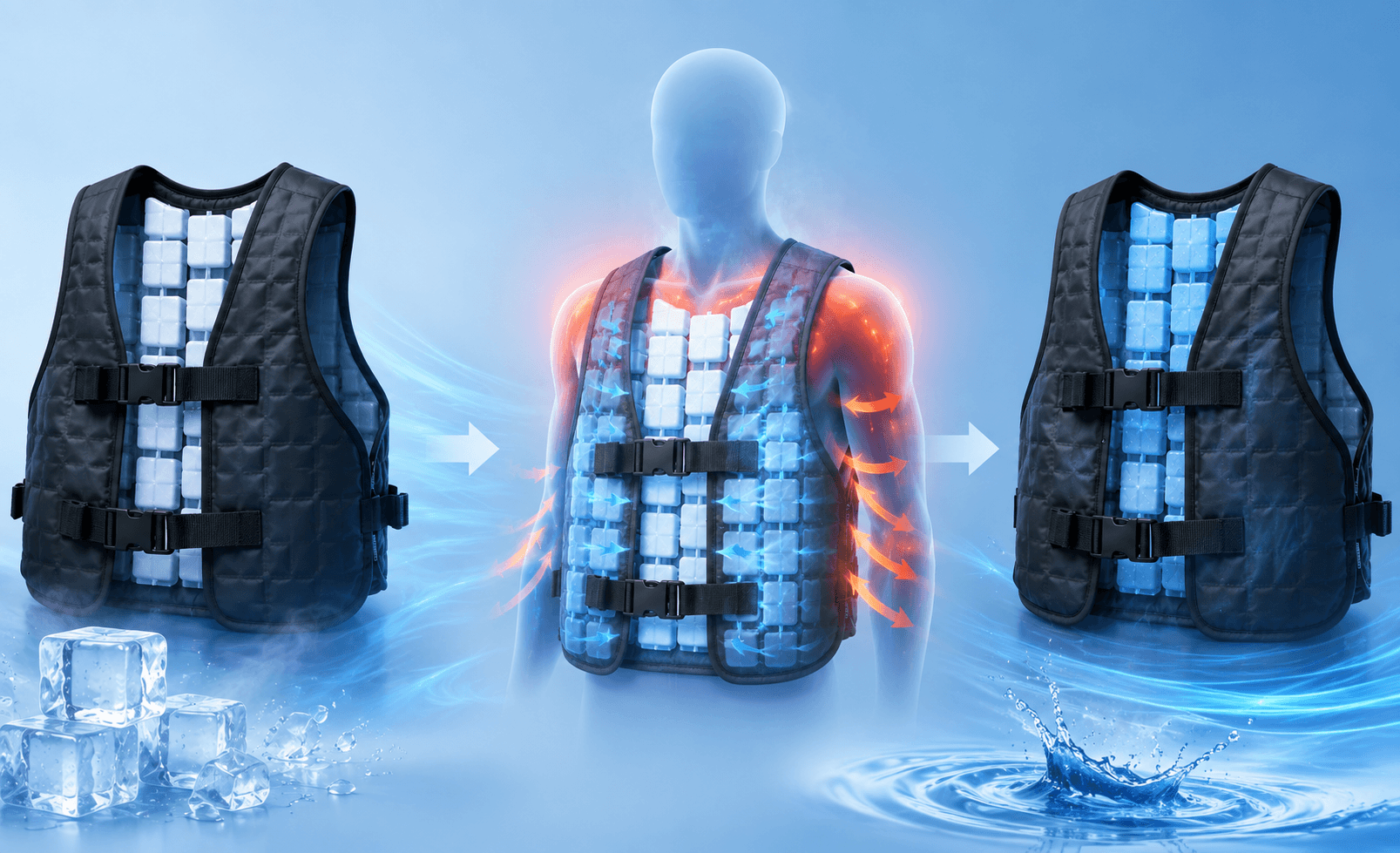
You freeze reusable gel packs down to around 32°F/0°C, slot them into insulated pockets sewn or built into the vest, and let physics do the rest. As the ice melts, it pulls heat directly from your core. The design is a straightforward, remarkably effective heat-absorption process with no batteries, pumps, or fans.
Why Simplicity Wins on the Factory Floor
This "no moving parts" design is exactly why ice pack cooling vests dominate industrial and outdoor safety gear categories. Compare it to the alternatives:
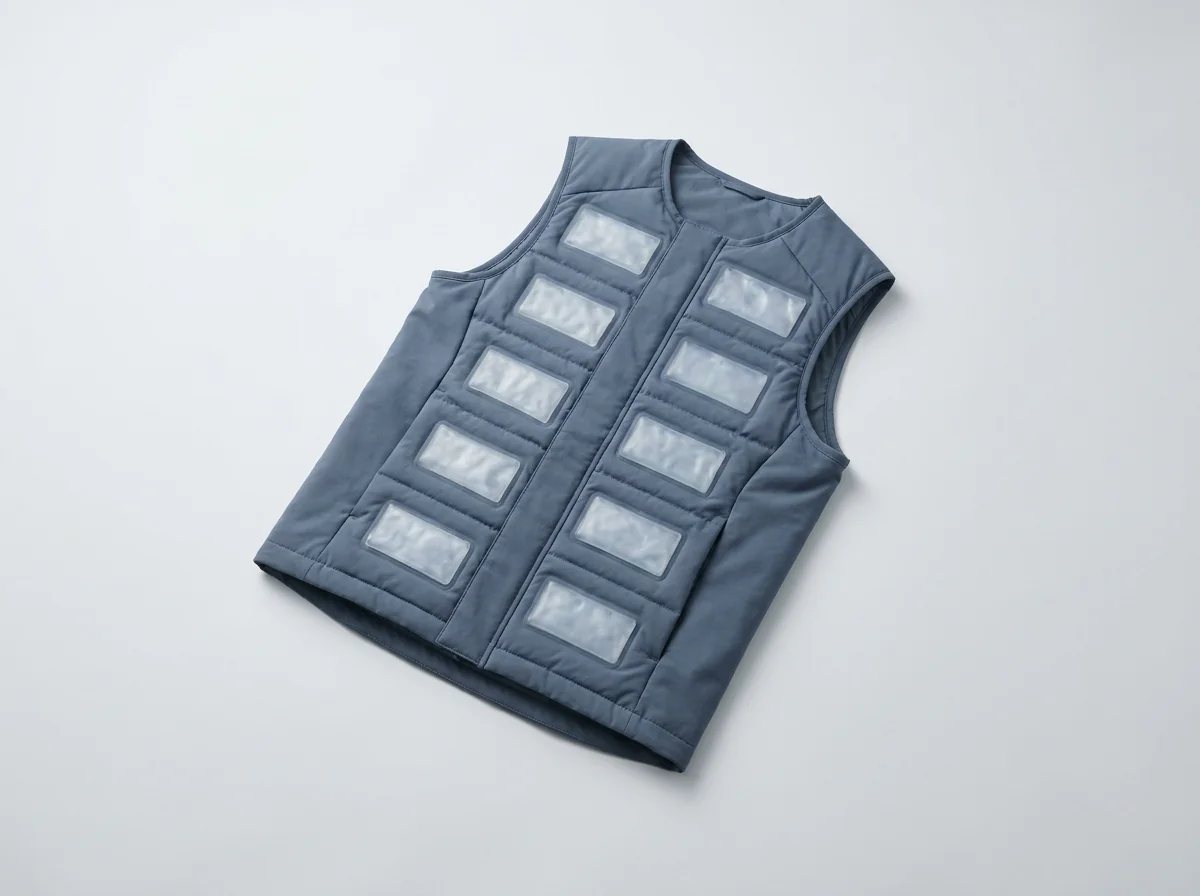
PCM vests hold a steadier temperature and last 1–3 hours, better suited for medical or long-shift stability
Water circulation vests run longer but depend on a battery, pump, and tubing system (often 5V, 150mA), which means more failure points
Fan-based vests boost sweat evaporation but generate 35–55 dB of mechanical noise and rely on constant airflow
Ice pack designs sit in a sweet spot. They give the strongest initial cold sensation, near-zero noise, and a cooling window that typically runs 45 minutes to 5 hours, with most industrial use cases landing in the 1.5–3 hour range.
Getting More Out of Each Cycle
Buyers who understand the logic behind thermal regulation vests tend to get better results:
Prep two or more ice pack sets so swaps happen fast, ideally every 1.5–2 hours in high-heat conditions
Freeze packs completely solid before insertion; partial freezing shortens performance noticeably
Swap front and back panels separately, not all at once, to avoid a temperature rebound
Check more frequently (every 60–90 minutes) during heavy exertion or full sun exposure
For sourcing teams, the selling points are simple: no electrical components, reusable inserts, minimal maintenance, and a cooling profile built for PPE, sports recovery, and field emergencies where reliability matters more than fancy features.
Custom Cooling Vest Manufacturer: Custom Programs From MOQ to Lead Time
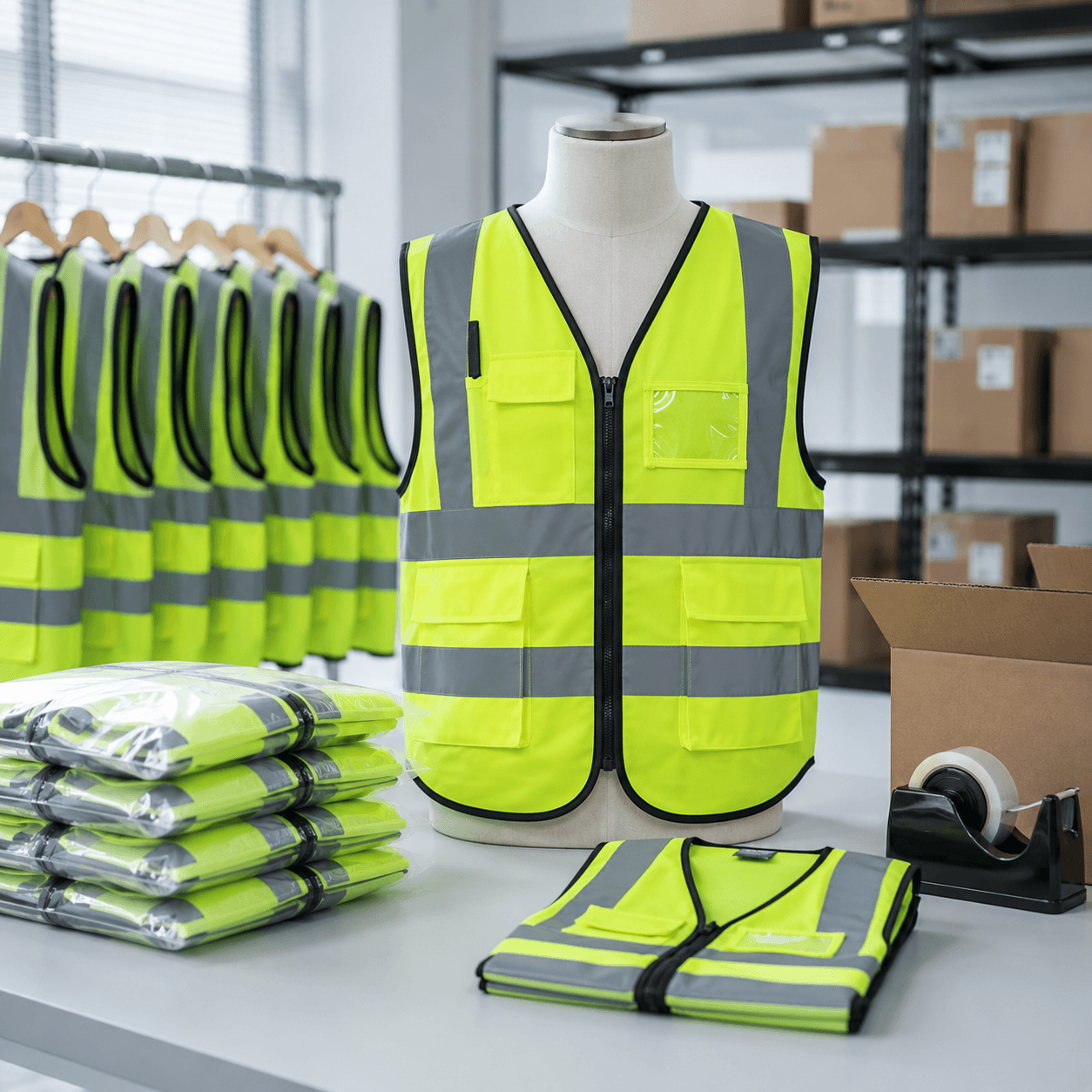
500 and 2000. These two MOQ thresholds decide whether you're tweaking a logo or rebuilding a garment from scratch.
500 pieces per style/color is the standard entry point for lighter customization such as logo placement, label swaps, and color adjustments. Most manufacturers pair this with a 1–5 piece sample run and a 30-day delivery window. 2000 pieces per style unlocks fully customized OEM work including new fabric structures, pocket configurations, and reflective strip placement. This is where you build something genuinely different, not just relabel an existing cooling vest insert.
Some factories push MOQs lower with 50-piece trial runs, 7-day samples, and 15–20 day bulk production. Those MOQs target speed to market. Deep structural customization comes at higher volumes. For comparison, standard cooling vests run roughly $20–50 per unit at 50-piece MOQ with 15–25 day production, while industrial PCM cooling vest programs typically sit at 500-piece MOQ with 30–35 days.
Why Lead Times Stretch
Fifteen to twenty days works for proven fabrics, standard patterns, and minimal printing. Thirty days becomes necessary once you add material procurement, pattern-making, and performance testing, especially with PCM materials, functional coatings, or multi-component builds like pockets, fans, or water tubing.
The most common mistake buyers make is confusing a logo change with a structural change. One stays at 500 pieces. The other pushes you to 2000.
Fabric and Structure Customization Checklist: Key Decision Points for Building a Differentiated Product
Fabric is where most sourcing conversations stall out. Get it right, and you've built something buyers feel the difference in.
Fabric Choices That Matter
Each application calls for a different base:
Breathable mesh — best for high heat-load jobs, summer workwear, back/underarm panels. Stretch mesh nylon (7.1 oz) runs about $17.85 per half-yard.
Ripstop nylon — lightweight, abrasion-resistant, ideal for outer shells and backpacks. Retail samples of 70D ripstop sit near $7.65/yard, with waterproof or high-density versions starting around £4.39–£7.99.
Workwear canvas — the go-to for heavy pockets, knee/elbow reinforcement. Waterproof canvas runs $7.65–$24.75.
High-visibility fabric — critical for road crews and logistics work. The real cost is in reflective strip pairing and certification, not the base cloth. Budget accordingly.
Liquid-repellent fabric — coated or laminated builds for cleaning and food processing environments. Priced above untreated equivalents of the same weight.
Structure and Pocket Placement
Thermal comfort testing shows vent placement changes total heat resistance significantly. Vertical openings along the side seams work best for heat and moisture escape.
Practical rules:
Prioritize vents at the side seams, back center, and underarms
Avoid stacking pockets on the chest or hips — that's your existing cooling zone
Keep heavy-load pockets separate from ventilated areas
More pockets means more fabric bulk. Balance that with added mesh paneling elsewhere.
Sizing and Strap Strategy
Apparel return rates sit at 20–40% industry-wide, and sizing is the top culprit. Aim for under 15% on size-related returns; anything above 20% signals it's time to rebuild the size chart. Use two seasons of sales data, correct any style deviating more than 5%, and lean on adjustable straps for apron-style or vest categories with wide body-type ranges.
Where Branding Pays Off
Private label sellers see the most lift from logo placement, consistent color choices, and packaging completeness — often more impactful than a fabric upgrade alone. Prioritize identity, then color, then packaging before chasing premium materials.
The Rollout Path for Private Label Cooling Vest Sellers Copying This Playbook
Copying a winning formula sounds simple until you sit down and try it. Here's the actual playbook, broken into pieces you can act on this week.
Build a Listing That Sells the Data
Your Amazon title should combine core category, cooling duration, safety/leak claim, and use case. For example: Ice Pack Cooling Vest, 4-Hour Long-Lasting Cooling, Leak-Resistant PCM Packs, for Outdoor Work / Industrial Safety / Sports.
Then structure your five bullet points around what buyers actually check.
Duration first: Competitors quantify this as "2.5 hours," "3–6 hours," or "4 hours sustained cooling." Vague claims lose clicks.
Leak-resistance: Phrase it as "sealed PCM pockets, leak-resistant construction."
Material transparency: Name your build: PVA, TPU + PCM, or modacrylic cotton blend FR fabric.
Scenario-specific use: "Industrial workwear," "hot weather construction," "outdoor sport" convert better than generic "cooling vest."
Certifications: ASTM F1506, NFPA 70E CAT1, CE PPE, EN ISO 20471/11612, ANSI/ISEA 107 remove doubt for procurement teams instantly.
Know Who You're Talking To
Amazon FBA sellers want lightweight, low-return, easy-to-list variants, like low MOQ, standard sizes, and simple packaging. Industrial safety buyers want ATPV ratings (7.1 cal/cm², 12 cal/cm²) and certification paperwork. Outdoor brands care about breathability and 3–6 hour PVA/PCM performance. Distributors want branded packaging, mixed size/color runs, and reliable reorder cycles.
De-Risk the First Order
Start with one sample to confirm cooling duration, fit, and seam integrity. Move to a 50-piece trial run, the common baseline for custom cooling vests, before scaling to a 500-piece OEM MOQ. Lock specs (PCM melting point, sizing, packaging) after trial approval, then quality-check final batches against AQL 2.5/4.0 before shipping.
The Pitfall-Avoidance Guide to Choosing OEM/ODM Partners
A factory can talk a big game about "custom capabilities," but you'll see the real difference in the paperwork, not the promises.
Ask for Proof, Not Promises
Real ODM partners hand over engineering drawings, BOMs, material spec sheets, DFM review records, and EVT/DVT/PVT validation reports without hesitation. Factories that only rebrand existing cooling vest inserts tend to go quiet when you ask for these documents.
Three questions cut through the noise fast:
Can drawing version numbers be traced back to your specific SKU?
Do test reports match your project number, not a generic "passed inspection" line?
Is there a full sample-to-trial-to-mass-production paper trail?
Break Apart the Pricing
Never accept one flat MOQ quote. Ask for pricing tiered at 500, 1,000, and 5,000 units, split into unit price, tooling/NRE, packaging, QC, freight, and sampling fees. Typical ODM MOQs run 500–1,000 pieces, while OEM MOQs usually sit at 1,000–2,000+, sometimes climbing to 3,000 for complex builds. Doubling your order usually drops unit cost by roughly 10%. If someone offers rock-bottom MOQ and rock-bottom pricing together, that gap usually resurfaces later in packaging or testing fees.
Lock Quality Terms Before You Order
Write the return/rework/refund process into a contract appendix, tied to AQL sampling, batch numbers, and response deadlines. Confirm who pays rework shipping and whether third-party inspection (SGS, BV) is allowed on disputed batches.
Start Small, Scale Deliberately
Run a trial batch first. Watch for lead time drift, inconsistent incoming materials, or unstable defect rates. If your first order shows shaky documentation or slipping deadlines, that's your signal before scaling volume.
Conclusion
This US Amazon seller achieved a fourfold increase in orders, not simply by adding an Ice Pack Cooling Vest, but by identifying a clear market demand: providing a more suitable and practical cooling solution for users working in high-temperature environments.
Instead of directly selling generic products, they chose to collaborate with manufacturers experienced in developing cooling products, adjusting everything from cooling pack configuration and vest structure to wearing comfort and brand customization, making the product more closely aligned with the actual usage scenarios of their target users. This is a key reason why the Custom Cooling Vest was able to differentiate itself from similar products.
For Amazon sellers, brand owners, and distributors, this case illustrates that when entering the Cooling Vest Market, instead of simply competing on price, it's better to first identify the pain points of the target audience and then establish product differentiation through OEM/ODM customization.
If you are also developing Custom Ice Pack Cooling Vests, PCM Cooling Vests, or other personal cooling products, you can visit ICEBEARCARE to learn more about product solutions and inquire about samples, MOQ, and customization needs. For brands preparing to test new products or expand their cooling product lines, starting with sample verification is usually a safer approach than making large-scale purchases directly.